

Iran Reportedly Strikes US F-35 Jet, Forcing Emergency Landing in Middle East
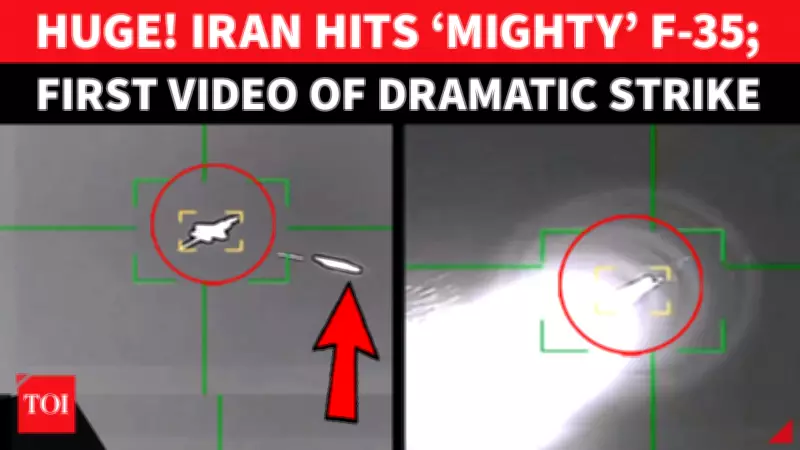
A dramatic and potentially pivotal shift is unfolding in the skies over the Middle East, as Iran is now believed to have successfully struck a US F-35 stealth fighter jet. The incident, which forced the advanced aircraft into an emergency landing, is currently under intense investigation by military authorities. This event marks the first reported instance where Iran has directly hit an American aircraft amid the ongoing regional conflict, challenging long-held assumptions about battlefield control.
Escalating Tensions and a Turning Point
Despite Washington's consistent claims of air dominance and technological superiority, this thunderous strike by Tehran, reportedly caught on camera, raises urgent and profound questions about the actual control of the battlefield. With regional tensions escalating rapidly, this moment could signal a significant turning point in the conflict. It demonstrates Iran's asserted capability to retaliate against high-value targets and directly contests the perceived invulnerability of US air power in the theater.
The successful targeting of a fifth-generation stealth fighter like the F-35 represents a stark escalation in Iran's military posture. Analysts suggest this action is a clear message of Tehran's growing confidence and operational reach. The incident immediately prompts a reassessment of threat levels and defensive protocols for US and allied forces operating in the region.

Investigations and Broader Implications
As the investigation into the strike progresses, key details regarding the method of attack, the extent of damage to the F-35, and the precise location remain closely guarded. However, the mere occurrence of such an event has sent shockwaves through diplomatic and military channels. It underscores the volatile nature of the current standoff and the potential for rapid, unforeseen escalations.
This development occurs against a backdrop of heightened rhetoric and a series of related provocations across the Gulf region. The strike on the F-35 fighter jet is likely to influence strategic calculations in Washington and among its allies, potentially altering deployment strategies and engagement rules. The event starkly highlights the evolving dynamics of modern warfare, where advanced stealth technology is increasingly tested by determined asymmetric threats.
The ramifications of this incident extend beyond the immediate military confrontation. It fuels existing narratives about shifting power balances in the Middle East and tests the resilience of US security guarantees in the region. As both sides analyze the fallout, the international community watches closely, aware that the skies over the Middle East have become a critical and unpredictable front in a complex geopolitical struggle.






