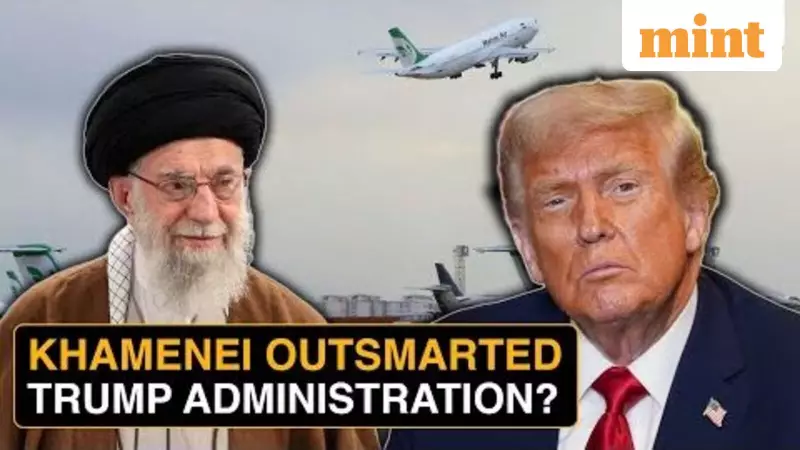
A startling intelligence report has exposed a clandestine Iranian operation using commercial passenger aircraft to smuggle weapons and military equipment to its proxy forces across the Middle East, effectively bypassing international sanctions. The scheme blurs the lines between civilian aviation and military logistics, creating a shadowy supply chain for regional conflicts.
The Shadowy Network of Unit 190
According to a report by the Institute for National Security Studies (INSS), a specialized unit within Iran's Islamic Revolutionary Guard Corps (IRGC) Quds Force is masterminding this covert airlift. Known as Unit 190, this division has systematically repurposed civilian airliners for military cargo runs. The operation, which leverages the aviation sector as an "arms highway," is a direct response to the toughest global sanctions imposed on Tehran.
The report, highlighted in international media on December 20, 2025, details how the unit orchestrates the transport of arms, precision-guided munitions, and other military hardware. These shipments are destined for key Iranian allies, including the Lebanese militant group Hezbollah, various Iraqi militias, and forces in Syria. Western intelligence agencies have long monitored this activity, flagging the alarming convergence of civilian and military operations.

How the Covert Airlift Operates
The mechanism is sophisticated in its simplicity. Civilian aircraft, ostensibly on regular passenger or cargo flights, are loaded with military consignments. These planes then fly routes that appear legitimate on tracking systems, only to offload their strategic cargo at airports controlled by or sympathetic to Iranian interests in the region.
This method provides a crucial lifeline for groups like Hezbollah, ensuring a steady flow of weapons and resources despite stringent embargoes and surveillance. The use of commercial jets offers a form of camouflage, making it significantly harder for international authorities to intercept and scrutinize every flight, compared to dedicated military transport planes.
Regional Consequences and Global Concerns
The implications of this exposed network are profound for Middle Eastern stability. This secret airlift directly fuels regional conflicts and empowers non-state actors, complicating diplomatic and security efforts. It demonstrates Iran's continued commitment to projecting power and supporting its proxy networks, even under severe economic pressure.
The revelation raises urgent questions about the integrity of international aviation protocols and the effectiveness of current sanction regimes. It underscores a significant challenge for global powers: how to police the grey zone where civilian infrastructure is weaponized for geopolitical aims. The exposure of Unit 190's activities will likely prompt calls for tighter scrutiny of aviation logistics and more robust mechanisms to prevent the abuse of civilian air corridors for military purposes.
As the details emerge, the international community is left to grapple with the reality of a sanctions-busting operation running in plain sight, powered by the very passenger jets that symbolize global connectivity.