Iran War News: Pakistan Army Chief Meets Iran's Araghchi; US Hints Fresh Strikes
Tensions surrounding the Iran conflict intensified dramatically as the White House signalled growing military readiness while regional powers rushed to prevent a wider war. US President Donald Trump convened a high-level national security meeting amid reports that he is increasingly considering fresh strikes on Iran if ongoing negotiations collapse. The meeting came as the White House shared a brief video of a nuclear-capable B-2 stealth bomber launch shortly after a Pentagon official reportedly stated that “Iran airspace [has been] completely cleared”, drawing comparisons to the final hours before the March conflict erupted.
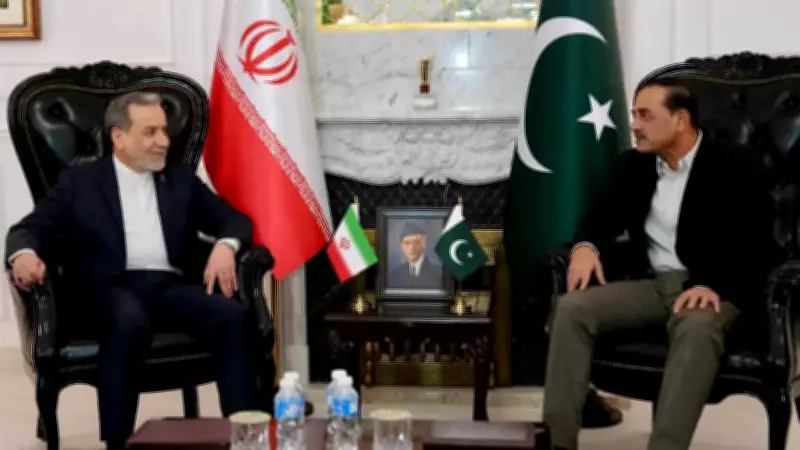
At the same time, frantic diplomatic efforts unfolded across the region. Pakistan Army Chief Field Marshal Asim Munir travelled to Tehran for late-night talks with Iranian Foreign Minister Abbas Araghchi, where both sides discussed “latest diplomatic efforts and initiatives to prevent escalation of tensions” and end the ongoing US-Israel-Iran confrontation. A Qatari delegation also arrived in Tehran as part of mediation efforts aimed at securing a diplomatic breakthrough.
Despite the push for negotiations, signs of progress remained limited. Iranian officials said talks were continuing but no final agreement was close, while US officials described the negotiations as “agonizing”. Reports suggested Trump had grown increasingly frustrated with the pace of diplomacy and was leaning more strongly towards military action unless a breakthrough emerges soon.

Domestic and International Reactions
The growing fears of renewed conflict also triggered political reactions within the United States. The National Iranian American Council warned against what it called a “foolish war”, saying escalating the conflict would be “wrong morally, strategically and politically”. The group argued that a diplomatic off-ramp remains available and pointed to rising public opposition in the US as fuel prices continue to surge because of the crisis.
Meanwhile, international concerns over nuclear tensions deepened after a four-week United Nations conference reviewing the Nuclear Non-Proliferation Treaty ended without agreement. The failure, the third consecutive collapse of an NPT review conference, came amid sharp exchanges between the US and Iran over Tehran’s nuclear programme and the recent strikes on Iranian nuclear facilities.
Maritime Security Incidents
The United Kingdom Maritime Trade Operations (UKMTO) agency reported another maritime security incident near Yemen’s Socotra island involving a tanker carrying petroleum products. According to the UKMTO, the tanker reported being approached by a small craft carrying five people while sailing around 200 nautical miles west of Socotra. The small boat reportedly came within 100 metres of the vessel before changing course after the tanker deployed its armed security team. The latest episode follows a similar incident reported north of Socotra on Friday, amid heightened tensions and growing security concerns across key maritime routes in the region.
Canada and Arms Fair Controversy
Human rights advocates in Canada are calling on authorities to bar representatives of two major Israeli weapons manufacturers from attending a defence exhibition in Ottawa next week over allegations linked to Israel’s actions in Gaza. The groups said they filed a legal complaint with the Canada Border Services Agency (CBSA), seeking to deny entry to representatives of Elbit Systems and Israel Aerospace Industries ahead of the CANSEC arms and defence fair scheduled for May 27 and 28 in the Canadian capital. According to the International Centre of Justice for Palestinians (ICJP) Canada, the two firms are among the principal defence contractors supplying military technologies, drones, weapons systems and surveillance equipment used by Israeli forces during attacks in Gaza.

“Permitting representatives of these companies to attend Canada’s largest arms and defence exhibition risks undermining Canada’s obligations under domestic and international law,” the group said. Last year, Amnesty International identified Elbit Systems and Israel Aerospace Industries among companies allegedly “contributing to Israel’s unlawful occupation, genocide or other crimes under international law”. The issue comes amid increasing global scrutiny of arms manufacturers linked to the conflict in Gaza and growing calls for restrictions on military cooperation with Israel.
B-2 Bomber Video and Military Posturing
The White House shared a brief video showing the launch of a nuclear-capable B-2 stealth bomber, a move that quickly fuelled speculation online about a possible restart of the Iran war. The post came shortly after a Pentagon colonel reportedly stated that “Iran airspace [has been] completely cleared”, echoing language used during the final stages of the March conflict involving the US, Israel and Iran. The one-second clip of the B-2 launch was viewed by many observers as a signal of heightened military readiness amid growing uncertainty over whether diplomacy with Tehran can still prevent renewed strikes.
UN Nuclear Treaty Conference Ends Without Agreement
A four-week United Nations conference reviewing the Nuclear Non-Proliferation Treaty (NPT) ended without consensus, as tensions between the United States and Iran over Tehran’s nuclear programme dominated discussions. Vietnam’s UN ambassador Do Hung Viet, who chaired the conference, announced that the 191 member states failed to agree even on a diluted final document. He did not specify which countries blocked consensus. The outcome marks the third consecutive collapse of an NPT review conference, underscoring deepening divisions over nuclear disarmament and global security issues. The latest deadlock comes amid heightened international tensions following the US-Israel war on Iran, which began with American and Israeli airstrikes on February 28. US President Donald Trump has said the military campaign aimed to stop Iran from developing nuclear weapons. Washington accused Tehran during the conference of showing “contempt” for its obligations under the treaty, while Iran argued that US and Israeli strikes on its nuclear facilities violated international law. Iran has continued to insist that its nuclear programme is solely for civilian purposes, despite enriching uranium to levels close to weapons-grade material.
West Asia entered a highly volatile phase as signs of possible renewed US military action against Iran emerged alongside frantic diplomatic efforts aimed at preventing a wider regional war. US President Donald Trump convened his senior national security team amid growing indications that Washington is weighing fresh strikes on Iran if negotiations fail to produce a breakthrough. Fueling speculation further, the White House shared a short video showing the launch of a nuclear-capable B-2 stealth bomber shortly after reports quoting a Pentagon official claimed that “Iran airspace [has been] completely cleared”, language reminiscent of the final build-up before the March conflict involving the US, Israel and Iran.
Even as military signalling intensified, regional diplomacy accelerated behind the scenes. Pakistan Army Chief Field Marshal Asim Munir travelled to Tehran for late-night talks with Iranian Foreign Minister Abbas Araghchi, with both sides discussing ways to “prevent escalation of tensions” and end the ongoing conflict. Qatar also joined mediation efforts by dispatching a delegation to Tehran as negotiations continued under mounting pressure. However, optimism over diplomacy remained limited. Iranian officials acknowledged that talks were ongoing but stressed that no final agreement had yet been reached. US officials described negotiations as difficult and slow-moving, while reports indicated Trump had become increasingly frustrated with the lack of progress and was now more inclined towards military action unless something “unexpected” emerged from the talks.
The escalating tensions have also triggered domestic political debate in the United States. The National Iranian American Council warned the Trump administration against “doubling down on a foolish war”, arguing that most Americans and potentially a majority in Congress favour a diplomatic solution rather than renewed conflict. Global concerns over the crisis were amplified after a United Nations conference reviewing the Nuclear Non-Proliferation Treaty ended without consensus, largely due to deep divisions between Washington and Tehran over Iran’s nuclear programme and recent attacks on nuclear facilities. With military preparations, diplomatic backchanneling and nuclear anxieties unfolding simultaneously, the region now appears caught between the possibility of a fragile diplomatic breakthrough and the risk of a much larger confrontation.