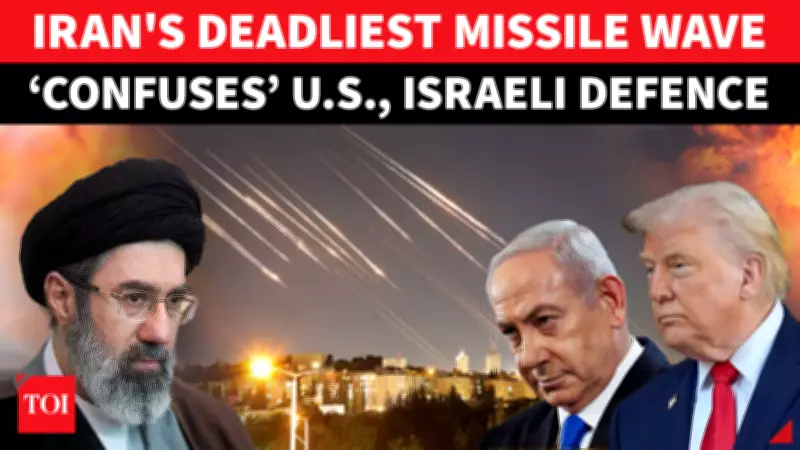
Iran Unleashes 67th Wave of Retaliatory Strikes on US and Israeli Military Targets
In a significant escalation of Middle East tensions, Iran confirmed on Friday that it has launched its 67th consecutive wave of missile and drone attacks. The Islamic Revolutionary Guard Corps (IRGC) stated that these strikes specifically targeted key military installations linked to the United States and Israel across the Gulf region.
Precision Strikes on Critical Infrastructure
The IRGC claims its forces successfully hit radar stations and unmanned aerial vehicle (UAV) command centers that are vital to US and Israeli military operations. Additionally, reports indicate that attacks occurred near crucial energy infrastructure, immediately raising alarms about potential economic fallout and severe disruptions to global oil supplies.
This aggressive military action represents a direct response to recent Israeli operations against Iran's South Pars gas field, one of the world's largest natural gas reserves. Tehran's retaliation has been swift and forceful, signaling a dangerous new phase in regional hostilities.

International Reactions and Warnings
Former US President Donald Trump has issued a stern warning, stating that continued attacks on regional energy assets could provoke a massive American military response. However, Trump emphasized that he currently resists deploying ground troops to the conflict zone.
Meanwhile, Israeli Prime Minister Benjamin Netanyahu announced that Israel is temporarily holding off on further strikes, though the situation remains volatile. The targeting of hangars and UAV centers demonstrates Iran's capability to strike sophisticated military assets with precision.
Broader Implications for Global Stability
The escalation has created renewed fears about the stability of the Middle East and the security of international energy corridors. With critical infrastructure under fire, analysts warn that sustained attacks could trigger wider economic consequences beyond the immediate conflict zone.
The 67th wave of attacks marks one of the most sustained military campaigns in recent regional history, highlighting Iran's determination to respond forcefully to perceived provocations. As both sides assess their next moves, the international community watches anxiously, concerned that miscalculation could lead to broader regional conflict.