

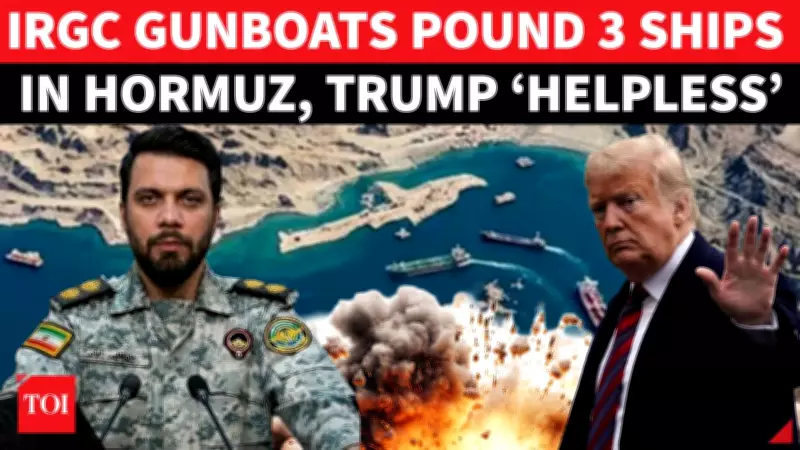
IRGC Navy Conducts Deadly Strikes on Three Commercial Vessels in Strait of Hormuz
Tensions in the Strait of Hormuz have escalated dramatically following reports that gunboats linked to Iran's Islamic Revolutionary Guard Corps (IRGC) Navy targeted three commercial ships in rapid succession. The incidents, flagged by the United Kingdom Maritime Trade Operations (UKMTO), have triggered widespread alarm across global shipping lanes and raised fears of a deepening crisis in this vital oil route.
Multiple Incidents Reported as Iran Tightens Control
According to maritime authorities, multiple attacks occurred in the strategic waterway, with the IRGC-linked vessels launching back-to-back assaults on the three ships. This aggressive move comes as Iran appears to be tightening its control over the Strait of Hormuz, a critical chokepoint for global energy supplies. The United States has expressed grave concern, with officials warning of rising risks and weighing stronger responses to the provocations.
Global Shipping and Energy Supplies at Risk
The escalating situation poses a significant threat to international trade and energy security. The Strait of Hormuz is a major conduit for oil shipments, and any disruption could have far-reaching consequences for global markets. The attacks have:

- Heightened fears of wider military escalation in the region.
- Prompted urgent assessments by shipping companies and insurers.
- Led to calls for enhanced naval patrols to safeguard commercial traffic.
US officials, reportedly stunned by the brazen nature of the attacks, are now considering diplomatic and military options to address the crisis. The rapid succession of strikes suggests a coordinated effort by the IRGC to assert dominance in the waterway, challenging international norms and stability.
Broader Implications for Regional and Global Security
This development is not an isolated incident but part of a broader pattern of heightened tensions involving Iran and Western powers. The IRGC's actions could:
- Strain already fragile diplomatic relations between Iran and the United States.
- Trigger retaliatory measures from affected nations and their allies.
- Increase volatility in global oil prices, impacting economies worldwide.
As the situation continues to evolve, stakeholders are closely monitoring for further escalations. The international community faces a critical test in managing this crisis to prevent it from spiraling into a larger conflict that could disrupt energy supplies and destabilize the Middle East.






