

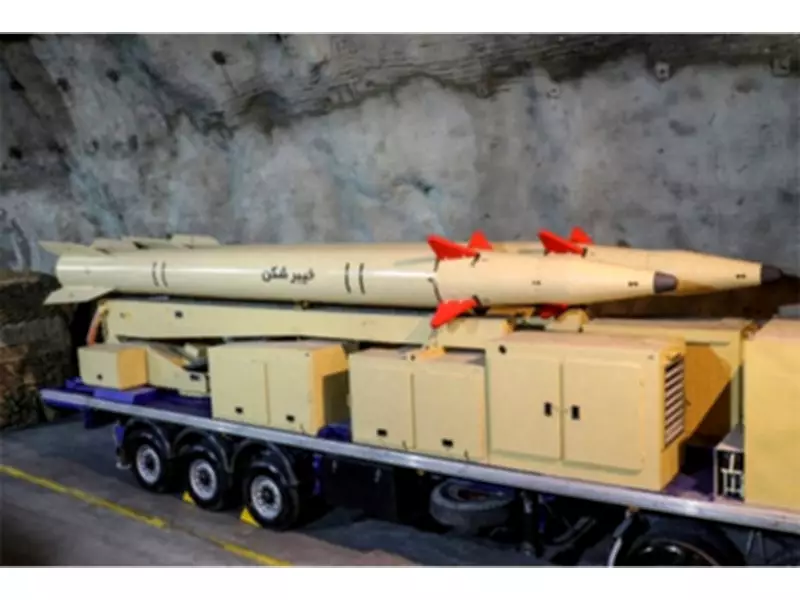
IRGC Unleashes 27th Wave of Operation True Promise 4 with New Solid-Fuel Missiles
In a significant escalation of regional hostilities, the Islamic Revolutionary Guard Corps (IRGC) of Iran has launched the 27th wave of its military campaign, dubbed Operation True Promise 4. This latest offensive involves the deployment of advanced solid-fuel missiles, marking a strategic shift in Iran's military capabilities and targeting US and Israeli assets across the Middle East.
Details of the 27th Wave Attack
The IRGC confirmed the execution of this wave, which represents a continuation of its long-standing Operation True Promise series. The use of new solid-fuel missiles is particularly noteworthy, as these weapons offer enhanced speed, reliability, and reduced launch preparation times compared to traditional liquid-fuel systems. This technological advancement allows for quicker response times and greater operational flexibility in targeting perceived adversaries.
According to military analysts, the solid-fuel missiles are part of Iran's broader efforts to modernize its arsenal and counter the military superiority of the United States and Israel. The targets in this wave reportedly include strategic installations and bases associated with US forces and Israeli defense systems in the region. While specific locations have not been disclosed, the operation is seen as a direct response to ongoing geopolitical tensions and previous confrontations.

Implications for Regional Security
The launch of the 27th wave underscores the escalating conflict dynamics in the Middle East. Operation True Promise 4 has been a key component of Iran's military strategy, aimed at projecting power and deterring foreign interventions. The introduction of solid-fuel missiles could potentially alter the balance of power, as these systems are harder to intercept and can be launched with minimal warning, posing new challenges for defense mechanisms in the area.
Experts warn that this development may lead to increased instability, with the potential for retaliatory strikes from the US and Israel. The ongoing cycle of attacks and counterattacks risks further entrenching hostilities and complicating diplomatic efforts to de-escalate the situation. Regional allies and international observers are closely monitoring the fallout, concerned about the broader impact on global security and energy markets.
Background and Context
Operation True Promise has been a recurring military initiative by the IRGC, with previous waves targeting similar objectives over the years. The "4" in the operation's name indicates its fourth major iteration, reflecting an evolution in tactics and weaponry. Iran has consistently framed these operations as defensive measures against what it describes as aggressive actions by the US and Israel, including sanctions, covert operations, and support for regional rivals.
The shift to solid-fuel missiles aligns with Iran's stated goals of achieving self-sufficiency in defense technology and reducing reliance on external suppliers. This move is part of a larger trend of military modernization in the country, which includes developments in drone warfare, cyber capabilities, and ballistic missile programs. As tensions persist, the international community faces mounting pressure to address the root causes of the conflict and seek peaceful resolutions.






