

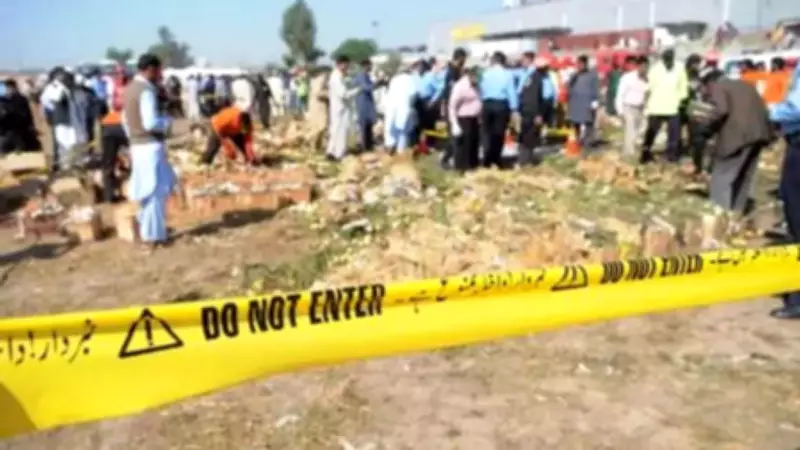
ISIS Claims Responsibility for Deadly Suicide Bombing at Shiite Mosque in Islamabad
The Islamic State (ISIS) has officially claimed responsibility for a devastating suicide bombing that targeted a Shiite mosque in Islamabad, resulting in the tragic deaths of at least 36 individuals and leaving numerous others injured. This horrific attack underscores the persistent threat of terrorism in the region, with the militant group explicitly stating its intent to target Shiite Muslims in Pakistan.
Details of the Attack and ISIS Statement
In a statement released through its Amaq News Agency, the Islamic State in Pakistan, an affiliate of Daesh, provided chilling details of the assault. According to the group, the bomber initially opened fire at security guards who attempted to intercept him at the mosque entrance before proceeding inside to detonate explosives among the worshippers. The ISIS statement further asserted that Shiite Muslims in Pakistan are considered legitimate targets, accusing them of supplying recruits to militias opposing the Islamic State in Syria.
The explosion occurred on Friday at the Khadijatul Kubra mosque-cum-shrine located in the Tarlie area of the capital. The attacker, identified as 32-year-old Yasir from Peshawar, infiltrated the mosque while congregants were engaged in weekly prayers, unleashing chaos and destruction. Authorities have confirmed his identity through an identity card recovered during the investigation, which listed his permanent address in Abbas Colony on Charsadda Road in Peshawar.

Investigation and Arrests
In response to the attack, Pakistani authorities conducted intelligence-based raids in Peshawar and Nowshera, leading to the arrest of four suspects. These individuals include three alleged facilitators and the mastermind behind the bombing. Investigators revealed that the attacker had spent approximately five months in Afghanistan prior to the incident, where he reportedly received specialized training in weapons handling and suicide attack techniques. This development highlights the cross-border dimensions of terrorist activities in the region.
Political Reactions and International Tensions
Pakistan's Defence Minister, Khawaja Asif, previously made allegations implicating India and Afghanistan in the attack, though no concrete evidence was presented to support these claims. India has vehemently rejected the accusations, issuing a strong statement that criticized Pakistan for externalizing its internal challenges. The Indian response emphasized, "It is unfortunate that, instead of seriously addressing the problems plaguing its social fabric, Pakistan should choose to delude itself by blaming others for its home-grown ills. India rejects any and every such allegation, which is as baseless as it is pointless."
This incident not only exacerbates domestic security concerns in Pakistan but also strains diplomatic relations, reflecting the complex geopolitical landscape of South Asia. The targeting of a religious minority further raises alarms about sectarian violence and the need for enhanced protective measures for vulnerable communities.






