

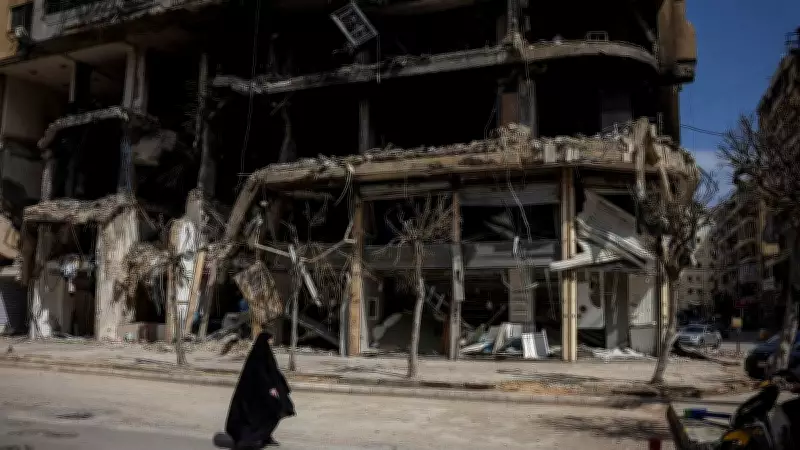
Israel Consolidates Control in Southern Lebanon Amid Ceasefire Implementation
The United States has successfully mediated a 10-day ceasefire that took effect on Thursday, marking a significant step toward de-escalating the intense conflict between Israel and Iran-backed Hezbollah. This development comes as Israel entrenches its military hold on southern Lebanon, a strategic move that has raised concerns about long-term stability in the region.
Ceasefire Details and Regional Implications
The ceasefire, which largely halted the war that spiraled out of the broader conflict between the United States and Iran, is seen as a critical diplomatic effort to prevent further escalation. According to reports, the truce aims to provide a window for negotiations and humanitarian relief, though tensions remain high due to Israel's continued fortification efforts in southern Lebanon.
Key aspects of the ceasefire include:

- A temporary halt to hostilities between Israeli forces and Hezbollah militants.
- Opportunities for diplomatic talks hosted by the United States on Thursday.
- Focus on addressing the root causes of the conflict, including regional proxy dynamics.
Israel's Strategic Moves in Southern Lebanon
As the ceasefire unfolds, Israel has been actively strengthening its position in southern Lebanon, a region that has been a flashpoint for decades. This entrenchment involves:
- Deploying additional troops and defensive structures along the border.
- Enhancing surveillance and intelligence operations to monitor Hezbollah activities.
- Preparing for potential future escalations, despite the current pause in fighting.
Analysts suggest that Israel's actions are aimed at creating a buffer zone to protect its northern communities from rocket attacks and incursions, a strategy that has drawn criticism from Lebanese authorities and international observers.
US Role and Upcoming Talks
The United States is set to host crucial talks on Thursday, bringing together key stakeholders to discuss the implementation of the ceasefire and long-term peace prospects. These discussions are expected to cover:
- Mechanisms for maintaining the ceasefire and preventing violations.
- Addressing humanitarian issues, including aid delivery to affected areas.
- Exploring pathways for a more permanent resolution to the Israel-Hezbollah conflict.
This mediation effort underscores Washington's ongoing involvement in West Asian diplomacy, particularly in managing tensions between its allies and Iran-backed groups.
Background and Broader Context
The conflict between Israel and Hezbollah erupted as part of the wider geopolitical struggle between the United States and Iran, with Lebanon caught in the crossfire. The 10-day ceasefire represents a fragile opportunity to reduce violence, but challenges persist, including:
- Deep-seated animosities and historical grievances between the parties.
- Iran's influence through Hezbollah, complicating peace efforts.
- Regional instability that could undermine ceasefire sustainability.
As the situation evolves, all eyes will be on the upcoming US-hosted talks and whether they can pave the way for a more durable peace in this volatile region.






