

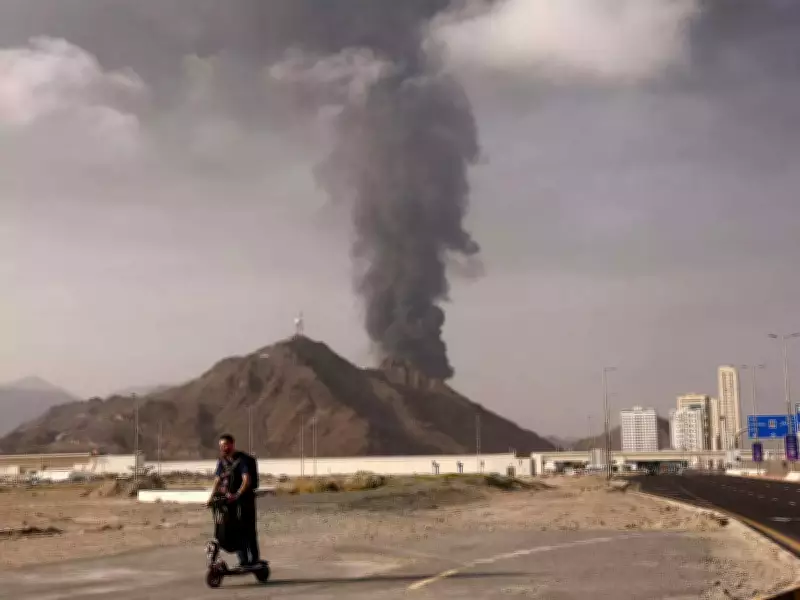
Israel Prepares for Potential Strikes on Iran's Energy Infrastructure
Israel is actively preparing for potential military strikes targeting Iran's energy facilities and is currently awaiting approval from the United States, according to a report from Reuters citing a senior Israeli defence official. The attacks, if authorized, could be executed within the next week, the official revealed. This development follows a series of escalating threats and actions in the ongoing Middle East conflict.
Trump's Ultimatum and Iran's Defiant Response
US President Donald Trump recently issued a stark warning to Iran, demanding the reopening of the strategically vital Strait of Hormuz or facing attacks on its energy infrastructure. In a post on his Truth Social platform, Trump wrote: "Remember when I gave Iran ten days to MAKE A DEAL or OPEN UP THE HORMUZ STRAIT. Time is running out — 48 hours before all Hell will reign down on them. Glory be to GOD!"
Trump, who has delivered mixed signals since the conflict began with a joint US-Israeli bombardment of Iran on February 28, stated that his latest deadline for ending the war was "rapidly approaching." He has previously threatened to target Iranian power plants if his demands are not met, having issued an earlier 48-hour ultimatum before extending the deadline by another ten days.

Tehran responded with a severe warning, asserting through Iranian media reports that the "entire region will become a hell" if the attacks escalate. Iran has effectively shut down the Strait of Hormuz, a critical maritime route that typically carries approximately one-fifth of the world's oil and liquefied natural gas, significantly impacting global energy markets.
Diplomatic Openings Amidst Rising Tensions
Despite its defiant stance, Iran has signaled a limited openness to diplomacy. Foreign Minister Abbas Araghchi indicated that Tehran is willing in principle to engage in peace talks with the United States through mediation by Pakistan. However, he gave no indication that Iran would concede to Trump's demands.
"We are deeply grateful to Pakistan for its efforts and have never refused to go to Islamabad. What we care about are the terms of a conclusive and lasting end to the illegal war imposed on us," Araghchi wrote on X. This diplomatic gesture comes amidst continued military actions, including a fourth reported strike near Iran's Bushehr power plant on Saturday.
Following this incident, Araghchi warned in a letter to the United Nations of an "intolerable situation" that poses a serious risk of a radiological incident, highlighting the potential environmental and health hazards of the conflict.
Regional Escalation and Global Implications
The Middle East conflict has resulted in thousands of casualties, triggered a severe energy crisis, and raised significant concerns about long-term damage to the global economy. Iran has launched waves of drones and missiles at Israel and has also targeted Gulf countries aligned with the United States.
Key impacts of the conflict include:
- Disruption of global oil and gas supplies due to the closure of the Strait of Hormuz
- Increased regional instability with potential for wider military engagement
- Economic strain on nations dependent on Middle Eastern energy resources
- Humanitarian crises in affected areas with rising civilian casualties
Those Gulf nations, however, have so far refrained from direct involvement in the conflict, fearing further escalation and the possibility of a broader regional war. The situation remains highly volatile, with international observers closely monitoring developments as deadlines approach and military preparations intensify.






