Israel has escalated its military operations in Gaza, with a significant increase in attacks following a truce with Iran. According to a report by ACLED, a conflict monitor, the Israeli military carried out 35 percent more attacks in April compared to March. The report highlights a surge in violence amid allegations that Hamas is rearming.
Escalation in Numbers
The ACLED report for April 2026 reveals that Israel conducted 35 percent more attacks on Gaza than the previous month. This uptick comes after a temporary ceasefire between Israel and Iran, which had raised hopes for de-escalation in the region. However, the Israeli military claims that Hamas has been using the lull to replenish its weapons stockpile, prompting renewed offensives.
Context of the Conflict
The truce with Iran, brokered by international mediators, aimed to reduce tensions across the Middle East. Yet, the situation in Gaza remains volatile. Israeli officials argue that Hamas's rearming poses a direct threat to national security, justifying the intensified attacks. Critics, however, warn that the escalation could undermine the fragile peace efforts and lead to further civilian casualties.

Regional and Global Reactions
The United States and other world powers have called for restraint, urging both sides to adhere to ceasefire agreements. The United Nations has expressed concern over the rising violence, emphasizing the need for humanitarian access to Gaza. Meanwhile, Iran has condemned the Israeli actions, though the truce remains in place.
Impact on Civilians
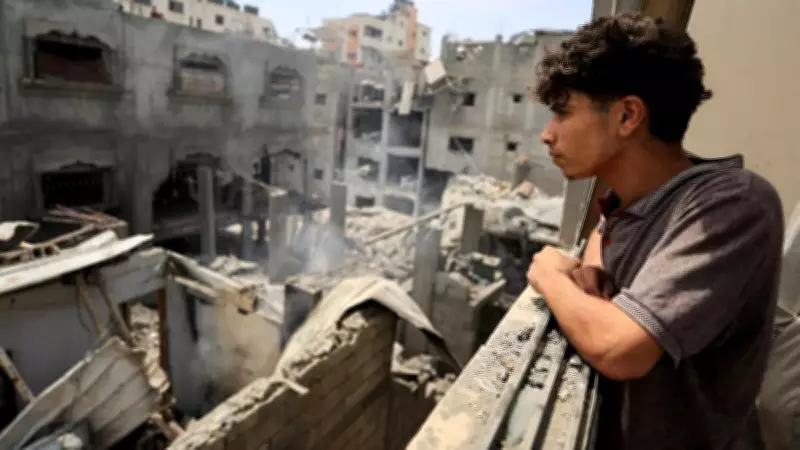
The increased attacks have exacerbated the humanitarian crisis in Gaza, where residents already face shortages of food, water, and medical supplies. Reports indicate a rise in casualties, including women and children. International aid organizations are struggling to provide assistance due to the ongoing hostilities.
Looking Ahead
As Israel continues its operations, the prospects for a lasting peace remain uncertain. The military's focus on preventing Hamas rearming suggests a prolonged campaign. Diplomatic efforts are underway to revive negotiations, but the cycle of violence poses significant challenges. The coming weeks will be critical in determining whether the region can avoid a full-scale war.