Israeli Air Force Launches Major Airstrike on Tehran, Targets Iranian Command Centers
The Israeli Air Force (IAF) has confirmed the execution of a wide-scale airstrike in Tehran, specifically targeting command centers and ballistic missile infrastructure of the Iranian regime. According to an official statement released on X, the operation, guided by Military Intelligence, took place on Tuesday, March 18, 2026.
Details of the Israeli Airstrike
The IAF detailed that the strike focused on multiple key sites within Tehran, including:
- The headquarters of the Revolutionary Guards' security unit, which handles protests and public order violations.
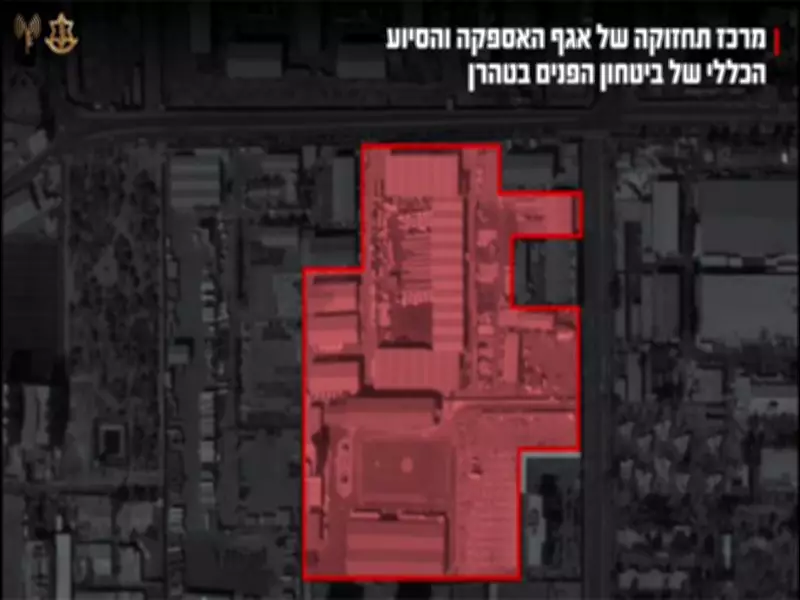
- A maintenance center of the Logistics and General Support Division of the Internal Security Forces.
- Headquarters belonging to Iran's ballistic missile array.
Additionally, the military reported attacking several air defence systems to expand air superiority over Iranian skies. Visuals released by the IAF included an aerial reconnaissance photograph highlighting the targeted complex, showcasing industrial warehouses and administrative buildings.
Iran's Retaliatory Missile Strikes on Tel Aviv
In response, the Islamic Revolution Guards Corps (IRGC) launched a major offensive, striking over 100 targets in Tel Aviv. This retaliation was reportedly in response to the killing of Ali Larijani, a former top security official in Iran. The IRGC described the assault as part of the "61st wave" of "Operation True Promise 4", utilizing advanced missiles such as:
- Khorramshahr-4 and Qadr missiles with multi-warhead capabilities.
- Emad and Kheibar Shekan projectiles.
According to state broadcaster Press TV, the strikes caused a partial blackout in Tel Aviv, complicating rescue operations and ground control. The IRGC claimed these attacks resulted in more than 230 casualties and targeted strategic locations, including:
- Al-Quds, Haifa port, Be'er Sheva, and the Negev Desert.
- American outposts in Qatar, Bahrain, the UAE, Kuwait, and Saudi Arabia.
Escalation of Regional Military Tensions
The IAF framed its strikes as a strategic effort to deepen damage to the core arrays of the Iranian regime, escalating pressure on Tehran's military capabilities. Conversely, the IRGC attributed the success of their retaliation to the disintegration of Israel's advanced air defence systems. This exchange marks a significant intensification in the ongoing conflict, with both sides engaging in high-stakes military operations across the Middle East.
The situation remains volatile, with potential implications for regional stability and international relations. Further developments are anticipated as both nations assess the impact of these coordinated attacks.