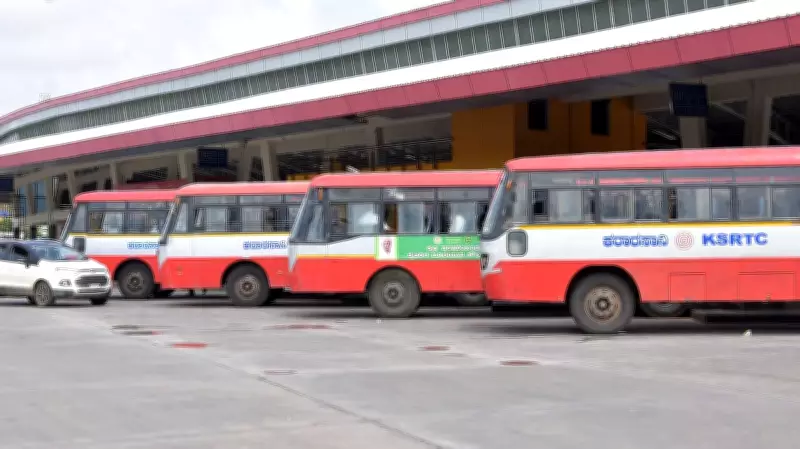
The ongoing West Asia crisis has led to a significant increase in the prices of essential commodities, directly impacting the operations of Karnataka's Road Transport Corporations (RTCs). The corporations rely heavily on imports for spare parts, petrochemical products, liquid urea, aluminium sheets, lubricants, and rubber used in tyre retreading.
Price Surge Impact
According to industry sources, the prices of these items have risen by 15-20% since the conflict escalated. For instance, the cost of rubber has increased by 18%, while petrochemical products have seen a 22% hike. This has forced RTCs to revise their budgets and consider fare adjustments.
An official from the Karnataka State Road Transport Corporation (KSRTC) stated, "The rising costs are putting immense pressure on our finances. We are exploring ways to absorb the impact without burdening passengers, but it is becoming increasingly challenging."

Operational Challenges
The RTCs operate a fleet of over 20,000 buses, serving millions of passengers daily. The price surge affects not only procurement but also maintenance and fuel efficiency. Liquid urea, used in exhaust systems, has become 25% more expensive, while aluminium sheets for body repairs have risen by 12%.
Transport experts warn that if the crisis continues, RTCs may have to cut services or increase fares, affecting commuters across the state. The Karnataka government is monitoring the situation and considering temporary subsidies to offset the costs.