

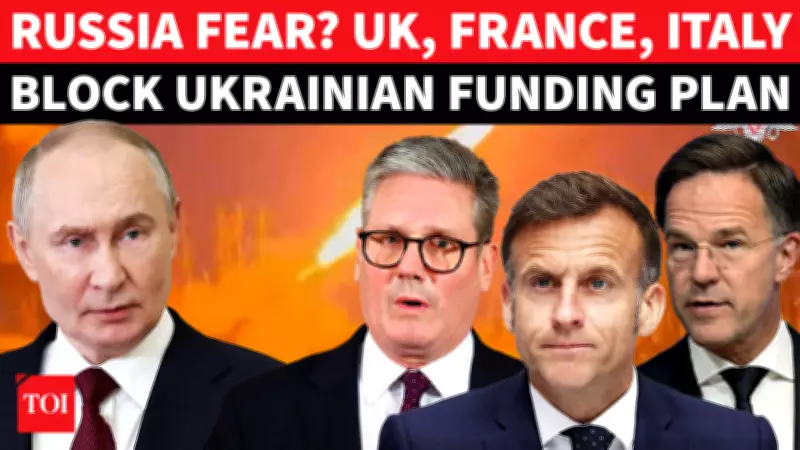
A reported NATO proposal requiring member states to allocate 0.25 percent of their Gross Domestic Product for military assistance to Ukraine has encountered significant resistance from key allies, including the United Kingdom and France. This rejection highlights deepening divisions within the alliance regarding burden-sharing, long-term commitments, and the financial pressures associated with the ongoing conflict.
Growing Rifts Over Financial Commitments
The proposed benchmark was intended to ensure sustained support for Kyiv as the war with Russia continues. However, officials from the UK and France have pushed back, arguing that such a fixed percentage could strain national budgets and limit flexibility in responding to other security priorities. The resistance underscores a broader debate within NATO about how to equitably distribute the costs of aiding Ukraine while maintaining readiness for other threats.
Implications for Alliance Unity
The dispute comes at a critical time, with NATO preparing for a pivotal summit later this year. The United States has been urging European allies to assume a greater share of the responsibility for supporting Ukraine, a message that has gained urgency amid political shifts in Washington. The internal discord raises fresh questions about the alliance's cohesion and the future scale of military backing for Kyiv.

Experts warn that the failure to reach a consensus could undermine NATO's credibility and embolden Russia. The debate also reflects differing strategic perspectives: while some members prioritize immediate military aid, others caution against overextending resources in a protracted conflict.
As the summit approaches, the alliance faces the challenge of reconciling these divergent views. The outcome will likely shape the trajectory of Western support for Ukraine and the broader geopolitical landscape in Europe.






