

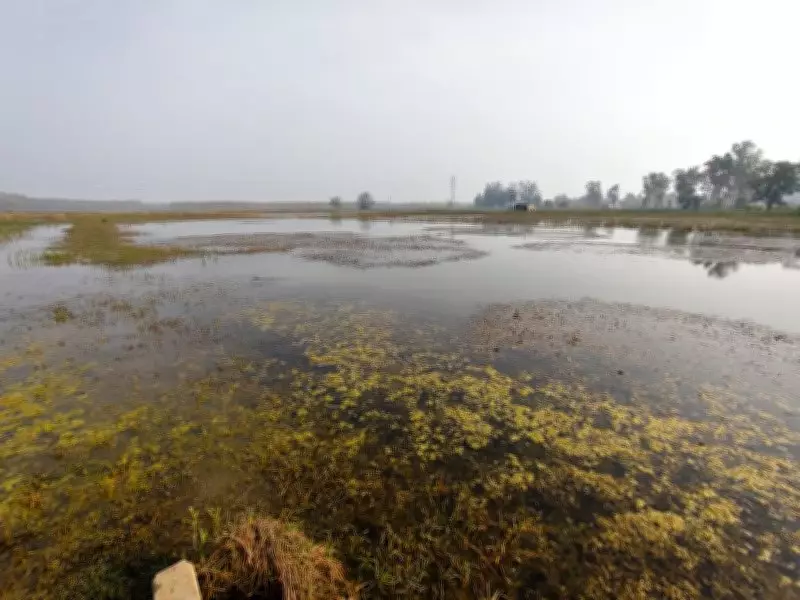
The persistent neglect of drainage infrastructure in Nuh district, Haryana, has turned farmlands into waterlogged zones, devastating the livelihoods of thousands of farmers. Despite repeated appeals, authorities have failed to address the issue, leading to significant crop losses and economic distress.
Extent of the Problem
According to local reports, nearly 40% of the agricultural land in Nuh remains submerged during the monsoon season. The lack of proper drainage channels causes water to stagnate for weeks, rotting crops and rendering fields unusable for subsequent sowing. Farmers like Ramesh Kumar, a resident of village Ferozepur, have lost their entire kharif harvest for three consecutive years.
Impact on Farmers
The waterlogging has not only destroyed standing crops but also increased soil salinity, reducing long-term fertility. Many farmers have been forced to migrate to urban areas in search of work, while others have taken loans at high interest rates to sustain their families. The district administration's inaction has exacerbated the crisis, with no concrete plan for drainage improvement.

Government Response
While the Haryana government has announced several schemes for rural development, the allocation for drainage infrastructure in Nuh remains inadequate. Officials cite budgetary constraints and land acquisition issues as major hurdles. However, experts argue that a comprehensive drainage master plan, coupled with community participation, can mitigate the problem.
Way Forward
Agricultural scientists recommend constructing lined drains, installing pumping stations, and promoting water harvesting to manage excess water. The district administration must prioritize this issue to prevent further agrarian distress. Timely intervention can save the region from an impending agricultural crisis.






