

Netanyahu Announces Decisive Blow to Iran's Nuclear and Military Infrastructure
In a bold declaration from the heart of the ongoing West Asia conflict, Israeli Prime Minister Benjamin Netanyahu has asserted a significant strategic victory. He stated unequivocally that Iran no longer possesses the capacity for uranium enrichment, a critical component of nuclear weapons development. This announcement marks a pivotal moment in the regional tensions that have escalated over recent years.
"We Are Winning and Iran Is Being Decimated"
Netanyahu's remarks were delivered with a tone of triumph and resolve. "We are winning, and Iran is being decimated," he proclaimed, emphasizing the severe setbacks inflicted upon Tehran's military capabilities. The Prime Minister detailed that Iran's extensive missile and drone arsenal is undergoing massive degradation and is on a path to complete destruction. This assessment suggests a coordinated and sustained effort to neutralize what Israel perceives as an existential threat from its regional adversary.
Implications for Regional Security and Nuclear Proliferation
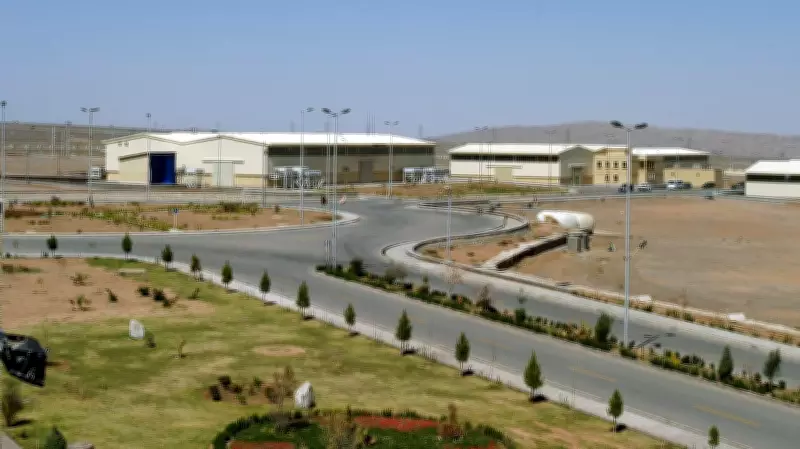
The claimed destruction of Iran's uranium enrichment capacity carries profound implications for global non-proliferation efforts and regional stability. Uranium enrichment is a key process in producing fuel for nuclear reactors and, at higher levels, for nuclear weapons. If verified, this development could alter the strategic balance in West Asia, potentially reducing immediate fears of a nuclear-armed Iran. However, experts caution that such claims require independent verification, as the conflict has been marked by information warfare and limited transparency.

Netanyahu's focus on Iran's missile and drone arsenal highlights the multifaceted nature of the threat perception. Iran has invested heavily in developing a diverse range of ballistic missiles and unmanned aerial vehicles, which have been used in proxy conflicts across the region. The reported degradation of these assets could impact Iran's ability to project power and support allied militias, thereby shifting dynamics in conflicts from Syria to Yemen.
Context of the West Asia Conflict and International Reactions
This announcement comes amid heightened hostilities in West Asia, where Israel and Iran have engaged in a shadow war involving covert operations, cyberattacks, and occasional direct military confrontations. The conflict has drawn in various state and non-state actors, contributing to a complex and volatile security environment. International observers are closely monitoring the situation, with concerns about potential escalation and humanitarian consequences.
Reactions from the global community are likely to be mixed. Allies of Israel may view this as a positive step toward curbing Iranian aggression, while critics might question the legality and long-term consequences of such actions. Iran has not yet issued an official response to Netanyahu's claims, but past statements have denied any intention to develop nuclear weapons and emphasized its right to peaceful nuclear energy under international agreements.
Looking Ahead: Verification and Future Scenarios
As the dust settles on Netanyahu's declaration, key questions remain. Independent verification of the destruction of Iran's uranium enrichment facilities and missile capabilities will be crucial for assessing the true impact. The International Atomic Energy Agency (IAEA) and other monitoring bodies may face challenges in accessing sites due to the ongoing conflict and political sensitivities.
The future trajectory of the West Asia conflict will depend on several factors, including Iran's ability to recover or reconstitute its military assets, potential retaliatory measures, and diplomatic efforts to de-escalate tensions. Netanyahu's statement may also influence domestic politics in Israel, bolstering his government's position amid internal debates on security strategy.
In summary, Netanyahu's announcement represents a bold claim of victory in a high-stakes confrontation. While it signals a potential shift in the balance of power, the full ramifications will unfold in the coming months, shaped by verification efforts, regional responses, and the unpredictable nature of conflict in West Asia.






