The conflict between Pakistan and Afghanistan, though diminished in scale, continues to claim lives on an almost weekly basis. In the past two months alone, hundreds of civilians have been killed, underscoring the persistent nature of this enduring dispute.
Roots of the Rivalry
The animosity between the two nations dates back decades, stemming from border disputes, notably the Durand Line, which divides Pashtun communities. Additionally, accusations of harboring militant groups have fueled mistrust. Pakistan alleges that Afghanistan shelters anti-Pakistan militants, while Afghanistan claims Pakistan supports Taliban factions. These mutual suspicions have prevented meaningful peace talks.
Current Violence
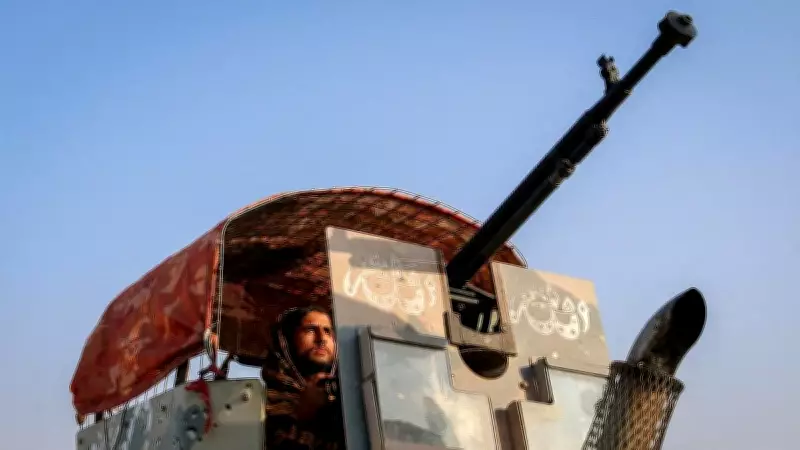
Recent clashes have occurred along the porous border, with cross-border shelling and militant attacks. Civilians bear the brunt, with hundreds killed in the last two months. The violence has displaced families and disrupted trade, exacerbating humanitarian crises. Both sides blame each other for provocation, but international observers call for de-escalation.

International Concerns The United Nations and regional powers have urged restraint. The U.S., which has interests in both countries, has mediated sporadically but with limited success. Iran, sharing borders with both, also worries about spillover instability. Without sustained diplomatic engagement, the cycle of violence is likely to continue.
- Border skirmishes and militant attacks are frequent.
- Civilians are the primary victims.
- International mediation has been ineffective.
Analysts suggest that addressing the root causes—such as border demarcation and militant sanctuaries—is essential for lasting peace. However, mutual distrust remains a formidable barrier.
Humanitarian Toll
The ongoing conflict has severe humanitarian consequences. Thousands have been displaced, and access to healthcare and education is disrupted. The UN has documented human rights abuses, including attacks on civilians. Both governments face criticism for failing to protect their populations.
In conclusion, the Pakistan-Afghanistan conflict persists due to historical grievances, mutual accusations, and ineffective diplomacy. The international community must intensify efforts to broker a ceasefire and address underlying issues to prevent further loss of life.