

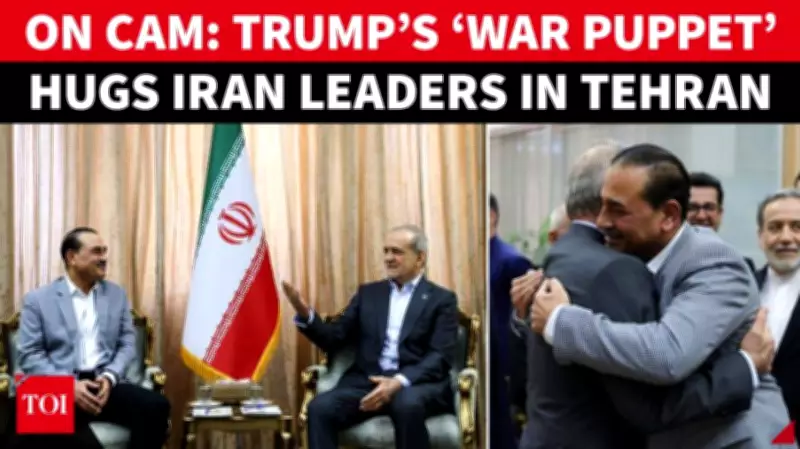
Pakistan has officially stepped into the eye of the storm. In a stunning geopolitical move, Pakistan's powerful Army Chief Asim Munir has landed in Tehran, engaging in intense, closed-door negotiations with Iranian President Masoud Pezeshkian and Foreign Minister Abbas Araghchi. Acting as a secret intermediary between Washington and Tehran, Munir is working to broker an end to the escalating US-Iran conflict.
Background of the Crisis
The US-Iran tensions have reached a critical point, with threats of war looming. The United States has warned of military action if Iran does not comply with demands regarding its nuclear program. Iran, in turn, has vowed to defend itself, raising fears of a full-scale conflict in the Middle East.
Pakistan's Role as Mediator
Pakistan has historically played a mediating role in regional conflicts. This visit by Army Chief Munir underscores Pakistan's strategic importance as a bridge between the US and Iran. The closed-door meetings aim to find a diplomatic solution that de-escalates tensions and avoids war.

Key Figures in the Negotiations
- General Asim Munir – Pakistan's Army Chief, leading the mediation efforts.
- President Masoud Pezeshkian – Iran's President, representing Tehran's stance.
- Foreign Minister Abbas Araghchi – Iran's top diplomat, involved in the discussions.
Potential Outcomes
The success of these talks could lead to a ceasefire or a broader agreement that addresses US concerns about Iran's nuclear program while ensuring Iran's security. Failure could result in increased military confrontation, with global implications for oil prices and regional stability.
As the world watches, Pakistan's intervention may be the last chance to prevent a devastating war. The outcome of Munir's visit will be closely monitored by international capitals, particularly Washington and Tehran.






