

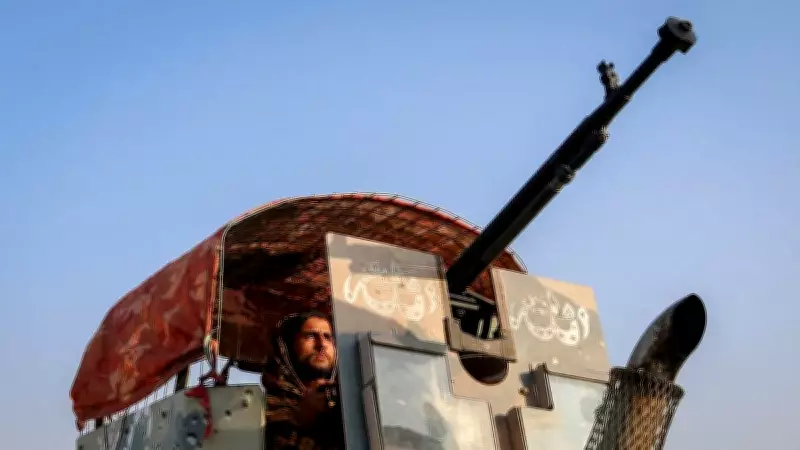
Pakistan Foreign Ministry Confirms Continuing Military Operations Against Afghanistan
In a significant development, Pakistan's foreign ministry has officially acknowledged that military operations are continuing against Afghanistan, marking a severe escalation in tensions between the two neighboring nations. This confirmation comes amid reports of intense fighting that has resulted in substantial casualties and raised international concerns.
Escalation of Hostilities Between Former Allies
The conflict between Pakistan and Afghanistan, once strategic allies in regional affairs, has dramatically intensified over the past month. According to statements from Kabul, the hostilities have led to devastating consequences, with Afghan authorities reporting that more than 400 individuals were killed in a single Pakistani air strike. This attack specifically targeted a drug rehabilitation centre, highlighting the tragic civilian impact of the ongoing military engagements.
The air strike on the rehabilitation facility has drawn widespread condemnation from humanitarian organizations and international observers, who emphasize the protection of non-combatants in conflict zones. The incident underscores the complex and volatile nature of the border disputes that have long plagued relations between Islamabad and Kabul.

Background and Implications of the Conflict
Historically, Pakistan and Afghanistan have shared a tumultuous relationship, characterized by periods of cooperation and confrontation. The current military operations represent a sharp deterioration, with both sides accusing each other of cross-border incursions and supporting militant groups. Pakistan's foreign ministry has cited national security and border integrity as primary reasons for its actions, though details remain scarce amid the fog of war.
International media, including Reuters, have been closely monitoring the situation, with reports indicating that the fighting has displaced thousands of civilians and disrupted essential services in affected regions. The conflict's timing, amid broader geopolitical shifts in South Asia, adds layers of complexity to an already fraught situation.
Humanitarian and Diplomatic Fallout
The humanitarian toll of the ongoing operations cannot be overstated. Beyond the immediate casualties, there are growing concerns about:
- Access to medical care and aid for affected populations
- Potential refugee crises along the porous border
- Long-term destabilization effects on regional security
Diplomatically, the conflict poses challenges for international efforts to mediate peace in Afghanistan and foster cooperation among neighboring states. The United Nations and other global bodies are likely to face increased pressure to intervene and de-escalate the hostilities.
Looking Ahead: Uncertain Future for Bilateral Relations
As military operations persist, the future of Pakistan-Afghanistan relations hangs in the balance. Key factors to watch include:
- Potential diplomatic dialogues or ceasefire negotiations
- International responses and sanctions, if any
- Impact on regional trade and economic partnerships
The confirmation from Pakistan's foreign ministry serves as a stark reminder of the fragile state of affairs in this critical part of the world. With both nations entrenched in their positions, the path to resolution appears fraught with obstacles, necessitating urgent attention from the global community to prevent further loss of life and instability.






