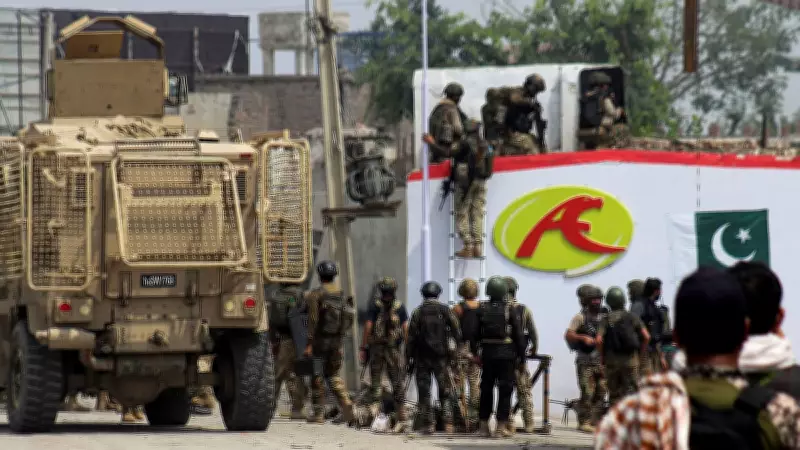
In a significant security operation, Pakistan has mobilized helicopters and unmanned aerial vehicles (drones) to quell a violent desert standoff that has resulted in the deaths of 58 individuals. The deadly confrontation follows a series of coordinated terrorist assaults that rocked the southwestern province of Balochistan over the weekend.
Timeline of the Attacks
According to security officials, the wave of violence commenced in the early hours of Saturday, precisely at 4 a.m. The initial strikes involved suicide bombings targeting two key locations: the town of Nushki and the strategic fishing port of Pasni. These blasts were swiftly followed by a broader offensive, with gunfire and grenade attacks erupting in 11 additional sites across the region.
Key Locations Impacted
The provincial capital, Quetta, was among the most severely affected areas, witnessing intense clashes. The multi-pronged nature of the attacks suggests a highly organized and premeditated operation by militant groups, aiming to destabilize security and create widespread panic.

Military Response and Casualties
In response to the escalating crisis, Pakistani security forces have launched a comprehensive counter-operation. The deployment of helicopters and drones is a critical component of this strategy, enabling aerial surveillance and targeted strikes in the remote desert terrain where militants are believed to be entrenched.
The death toll has risen to 58, with many more injured, marking one of the deadliest episodes of violence in Balochistan in recent years. The casualties include both security personnel and civilians, highlighting the indiscriminate nature of the terrorist onslaught.
Regional Implications
This incident underscores the persistent security challenges in Balochistan, a region plagued by insurgency and separatist movements. The use of advanced military assets like drones indicates the government's heightened focus on counter-terrorism efforts, but also raises concerns about the ongoing threat to regional stability.
Authorities are currently investigating the perpetrators behind the attacks, with initial reports pointing towards militant factions operating in the area. The international community is closely monitoring the situation, given its potential implications for cross-border security and counter-terrorism cooperation in South Asia.