

Pentagon Official Warned of Missile Strain Before $5 Billion Iran Strikes with Israel
Barely a week before the United States and Israel launched their first coordinated military strikes on Iran on February 28, 2026, a senior Pentagon official reportedly issued a stark warning. The official cautioned that such an operation could significantly strain US weapons stockpiles, particularly missiles, raising concerns about America's military readiness and resource allocation.
Costly Operations and Strategic Concerns
The coordinated strikes, which reportedly cost over $5 billion in just two days, have brought the Pentagon's pre-strike warnings into sharp focus. According to US media reports, General Dan Caine, the chairman of the Joint Chiefs of Staff, expressed deep reservations about the potential consequences of engaging Iran militarily. His concerns were not limited to immediate financial costs but extended to broader strategic implications.
General Caine reportedly highlighted the risk of a "long-term entanglement" with Iran, suggesting that initial strikes could escalate into a protracted conflict. This warning underscores the complex geopolitical calculations involved in military actions against a nation like Iran, which has significant regional influence and military capabilities.

Strain on US Missile Stockpiles
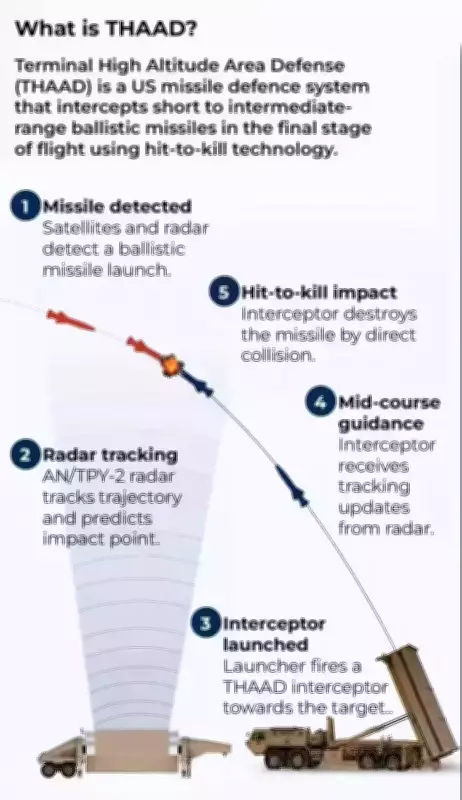
The specific concern about US missile stockpiles being drained is particularly alarming for military planners. Missiles are critical assets in modern warfare, used for precision strikes, defense, and deterrence. A rapid depletion of these stockpiles could compromise America's ability to respond to other global threats or sustain prolonged operations.
This strain comes at a time when the US military is already managing multiple commitments worldwide, from supporting allies in Europe to maintaining presence in the Asia-Pacific region. The warning suggests that the Iran strikes might have been launched despite known logistical and resource challenges, pointing to high-stakes decision-making at the highest levels of government.
Implications for US-Israel Coordination
The coordinated nature of the strikes with Israel adds another layer of complexity. While such cooperation can enhance military effectiveness, it also ties US resources and strategic interests closely to Israeli actions. The reported cost of over $5 billion in two days indicates the scale of the operation, involving advanced weaponry, intelligence sharing, and joint logistical support.
This development raises questions about the sustainability of such high-cost military engagements and whether the US can afford to maintain its current pace of operations without risking critical shortages in essential munitions.
As the situation evolves, the Pentagon's pre-strike warnings serve as a reminder of the delicate balance between military action and resource management in an increasingly volatile global landscape.






