

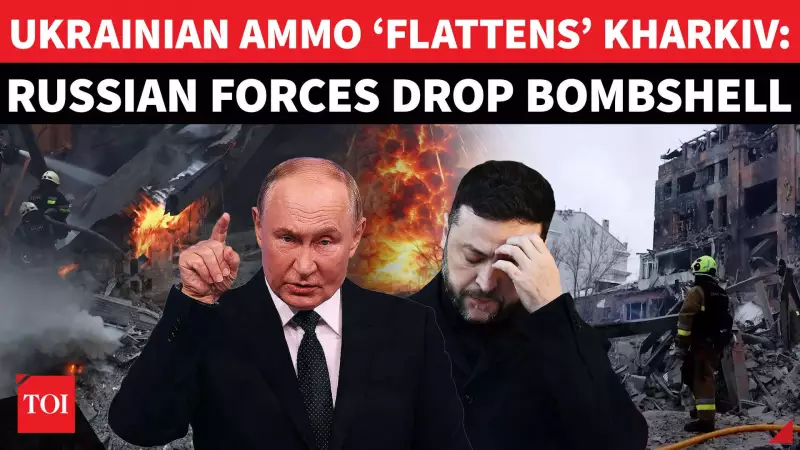
The northeastern Ukrainian city of Kharkiv has been devastated following a severe bombardment by Russian forces. The assault, which included a barrage of missiles and drones, has left significant parts of the city in ruins and resulted in numerous casualties.
Wave of Destruction Hits Ukraine's Second City
On January 3, 2026, Russian military units launched a massive wave of strikes targeting Kharkiv, Ukraine's second-largest metropolis. The attack reportedly involved advanced Kinzhal hypersonic missiles, known for their speed and difficulty to intercept. Preliminary reports from the scene indicate the strikes have caused widespread destruction, reducing buildings to rubble.
Russian authorities have provided a specific claim regarding the aftermath, stating the blast led to 27 casualties. In a significant twist, Moscow has placed the blame for the incident squarely on Ukrainian forces. Russian officials assert that the strikes were a direct response to what they label as "terrorist attacks" orchestrated by Kyiv inside Russian territory.

Peace Talks Hang in the Balance
This escalation comes at a critically fragile moment in the prolonged conflict. Peace talks, which were already struggling to make progress, now face an immediate threat of collapse due to the intensified violence. The timing of the offensive raises serious concerns about the future of diplomatic efforts to end the war.
The situation on the ground is rapidly deteriorating. With urban centers burning, casualty numbers rising, and the reported use of long-range drones crossing borders, security analysts warn the conflict may be entering a new and far more dangerous phase. The use of high-tech weaponry like the Kinzhal signals a potential shift in Russian military tactics.
A Broader Pattern of Escalation
The attack on Kharkiv is not an isolated event but appears part of a wider pattern of heightened military activity. The reference to preceding events, including alleged assassination attempts, suggests a cycle of retaliation that is pushing the war towards greater intensity. The international community watches with apprehension as cities are targeted, creating a severe humanitarian crisis and deepening the geopolitical rift.
As rescue operations continue in Kharkiv, the world waits to see if the already fragile channels of communication can withstand this latest and devastating blow. The path to peace now seems more uncertain than ever.






