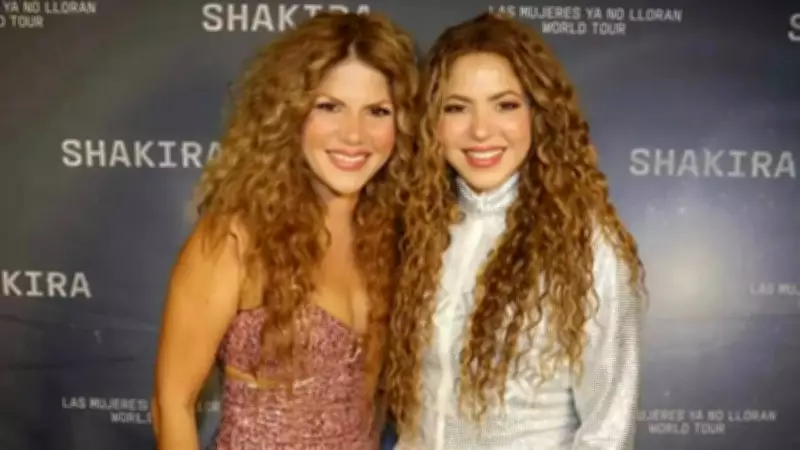
Taylor Swift may be one of the most recognizable performers on the planet, but another woman has built an entire online following for looking eerily similar to her fellow global superstar, Shakira. That similarity has now put Venezuelan artist ShakiBecca at the center of a growing controversy over the 2026 FIFA World Cup.
The influencer, who often gets thousands of views on her videos, has become known for impersonating Shakira's iconic dance moves, stage presence and visual style. What started out as fan tribute material is now attracting interest for an entirely different reason, as FIFA is reportedly investigating whether some of her World Cup-themed performances crossed the line on intellectual property.
FIFA World Cup looks at ShakiBecca’s Shakira-inspired content
Rebeca Maiellano, aka ShakiBecca, has built up an audience over the years that revels in her uncanny resemblance to Shakira. She has turned her love for the Colombian singer into a recognizable online brand with more than half a million followers on social platforms.

While the impersonators claim a formal association with the celebrities, ShakiBecca has always claimed her work is homage, not affiliation. Her performances often mimic Shakira’s choreography, style choices and stage presence, and fans have appreciated the detail.
But FIFA’s recent reports show it is reviewing content that allegedly contained images and references related to the 2026 FIFA World Cup. The concern, it appears, was that tournament branding or visuals protected by copyright were being used without permission.
No lawsuit has been filed and no legal action has been announced. But FIFA has a long history of aggressively defending its trademarks and commercial rights. The reputation alone has made the matter a talking point among football fans and entertainment watchers.
This situation is compounded by the fact that the content allegedly contained references to the tournament’s official music campaign, an area where FIFA is known to be very particular about branding and promotional material.
Shakira’s FIFA World Cup legacy makes the controversy worse
Why this story has gotten so much attention is because Shakira has a close tie to the FIFA World Cup itself. Few artists have had a greater musical impact on football’s greatest stage.
Her tournament journey began in 2010 with Waka Waka (This Time for Africa), a song that quickly became one of the most successful World Cup anthems ever released. Over a decade later, it continues to be a fixture at sporting events, fan gatherings and international celebrations.
2014 saw Shakira return with La La La, another football-themed hit, with some of the sport’s biggest names. While it was not the official tournament song, it became a part of the World Cup experience and helped boost her stature in football culture.
In 2026, she returned to the global event, this time through Dai Dai, a collaboration with Burna Boy that is the tournament’s official song. The song’s release solidifies her one-of-a-kind place in World Cup history.
That connection may help explain the interest in ShakiBecca. Any performance that mixes Shakiraesque moves with official World Cup imagery is bound to attract scrutiny.
For now, the controversy is still under review. But it does highlight a modern problem facing influencers everywhere. In an era where tribute content, celebrity fandom, and global branding often overlap, the line between admiration and infringement can be surprisingly thin.