Sri Lanka's public security minister has directly accused the country's former intelligence chief of orchestrating the 2019 Easter Sunday bombings, marking the first official statement linking a senior state official to one of the deadliest attacks in the island's history.
Minister's Statement in Parliament
Addressing parliament on Wednesday, Ananda Wijepala said investigations had found that retired Major General Suresh Sallay "conspired with and strategically directed" Islamic extremists before they carried out the attacks that killed 279 people. Wijepala claimed Sallay had identified a Catholic church as a target and met members of the extremist network just weeks before the bombings. Sallay, who was arrested in February on allegations of aiding and abetting the attacks, has denied any involvement through his lawyer.
Background of Allegations
The minister's remarks come years after allegations first surfaced in a 2023 report by a British broadcaster, which cited whistleblower testimony claiming elements within Sri Lanka's intelligence apparatus allowed the attacks to proceed to influence the 2019 presidential election. Investigators have also secured a court order preventing former president Gotabaya Rajapaksa from leaving the country, and he is expected to be questioned as part of the ongoing probe.

What Was the Easter Sunday Attack?
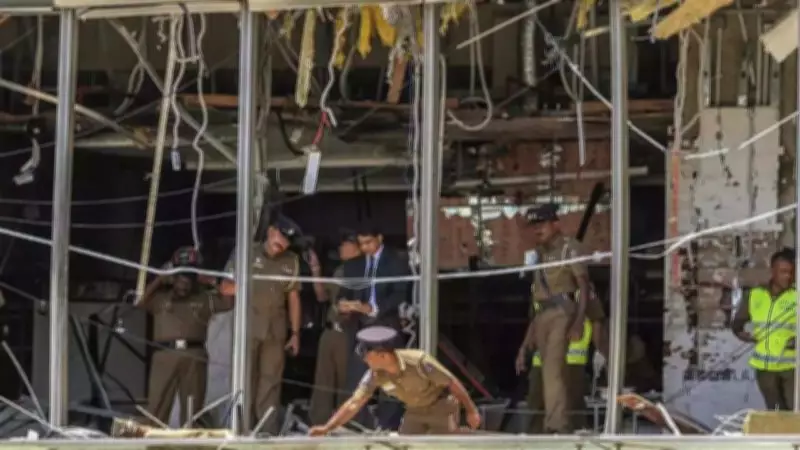
On April 21, 2019, a group of Sri Lankan extremists inspired by the Islamic State carried out six near-simultaneous suicide bombings targeting three churches and three luxury hotels. The attacks struck two Catholic churches, a Protestant church and high-end hotels in and around Colombo during Easter celebrations.
The coordinated blasts killed 279 people, including dozens of foreign nationals, and wounded hundreds more. The attack remains Sri Lanka's deadliest act of terrorism since the end of the country's civil war and continues to generate political controversy over whether state officials had prior knowledge of the plot or played a role in facilitating it.
Ongoing Investigation
The investigation has expanded to include high-ranking officials. The court order against former president Rajapaksa indicates the probe is reaching the highest levels of government. The allegations against Sallay add a new dimension to the case, suggesting possible state complicity in the attacks.