

Trump Extends Deadline for Strait of Hormuz Opening Amid West Asia Tensions
In a significant development amid escalating conflict in West Asia, former US President Donald Trump has announced an extension of the deadline for opening the strategic Strait of Hormuz. The new deadline is now set for April 6, as tensions between Iran and Israel continue to intensify with recent military strikes.
Background of the Strait of Hormuz Crisis
The Strait of Hormuz, a critical maritime chokepoint, has been a focal point of geopolitical tensions for decades. It serves as a vital passage for approximately one-fifth of the world's oil shipments, making its security paramount to global energy markets. Recent hostilities between Iran and Israel have raised concerns about potential disruptions to this key waterway, prompting international intervention.
Former President Trump's involvement comes amid his ongoing political activities and influence on US foreign policy. His decision to extend the deadline reflects the complex diplomatic and military calculations at play in the region.

Escalating Iran-Israel Conflict
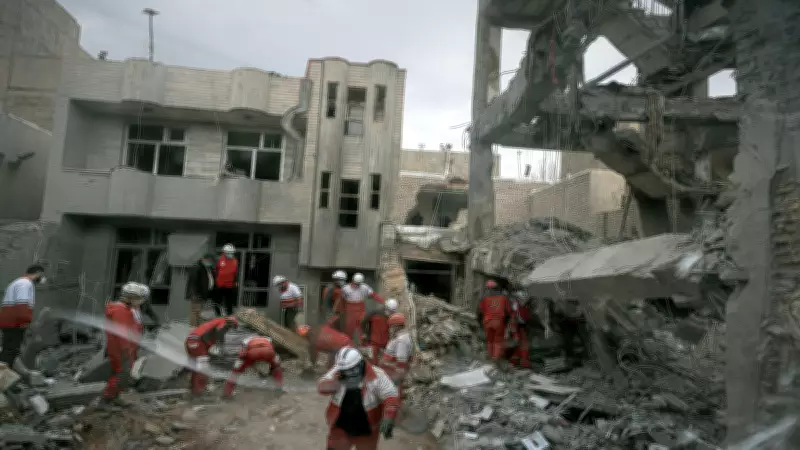
The extension follows a series of military exchanges between Iran and Israel, which have heightened fears of a broader regional war. Reports indicate that Israel has conducted strikes on targets in Tehran, while Iran has responded with its own military actions. These developments have created a volatile situation in West Asia, with potential implications for global stability.
The conflict's timing is particularly sensitive, as it coincides with ongoing diplomatic efforts and economic pressures in the region. Analysts warn that any further escalation could severely impact oil prices and international trade routes.
Implications of the Deadline Extension
Trump's decision to push the deadline to April 6 provides a brief window for diplomatic negotiations and de-escalation. Key implications include:
- Diplomatic Opportunities: The extension allows for renewed talks between involved parties and international mediators.
- Military Preparedness: It gives time for military forces in the region to assess and respond to the evolving threat landscape.
- Economic Considerations: Markets may experience temporary relief, but uncertainty persists regarding long-term stability.
- Global Security: The situation underscores the interconnected nature of regional conflicts and global security frameworks.
Regional and International Responses
Reactions to the deadline extension have been mixed. Regional powers are closely monitoring the situation, with some expressing cautious optimism while others prepare for worst-case scenarios. International organizations have called for restraint and dialogue to prevent further violence.
The involvement of a former US president in this crisis highlights the ongoing influence of American politics on global affairs, even outside official government channels. Observers note that Trump's actions could shape future US policy in the Middle East and beyond.
Looking Ahead to April 6
As the new deadline approaches, all eyes will be on developments in the Strait of Hormuz and the Iran-Israel conflict. Potential outcomes include:
- A negotiated settlement that eases tensions and ensures maritime security.
- Further military escalation if diplomatic efforts fail.
- Increased international intervention to mediate the crisis.
- Economic repercussions from prolonged instability in the region.
The coming days will be critical in determining whether this extension leads to peace or further conflict. Stakeholders worldwide are urged to engage constructively to avert a larger crisis.






