

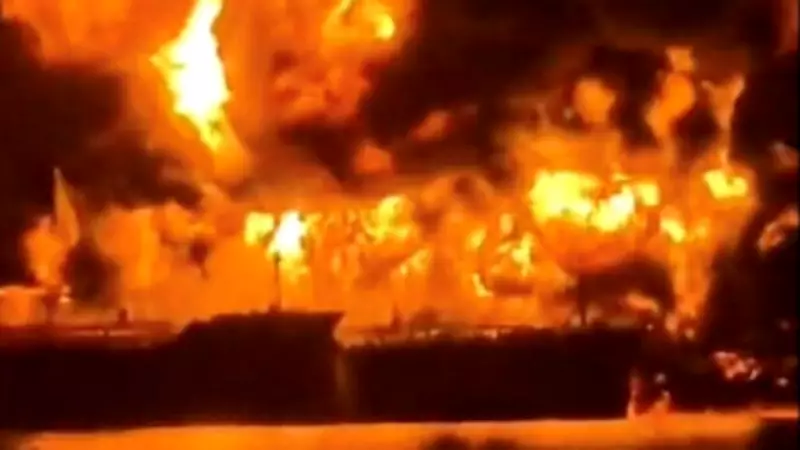
Trump and Iran Signal No Quick End to War as Tankers Burn in Iraqi Waters
In a significant escalation of tensions in the Middle East, US President Donald Trump and Iranian officials have both signaled that there is no quick end in sight to the ongoing conflict, as reports emerge of oil tankers burning in Iraqi waters. This development underscores the deepening crisis between the two nations, with potential implications for global oil markets and regional stability.
Escalating Tensions in the Middle East
The situation has intensified following recent incidents involving oil tankers in Iraqi waters, where fires have been reported, raising concerns about maritime security and the safety of commercial shipping routes. These events come amid a backdrop of heightened rhetoric from both Washington and Tehran, with neither side showing signs of backing down from their respective positions.
President Trump has reiterated his administration's commitment to applying maximum pressure on Iran, citing concerns over its nuclear program and regional activities. In statements, he has emphasized that the United States will not tolerate what he describes as aggressive actions by Iran, and has called for increased sanctions and diplomatic isolation of the country.

On the other hand, Iranian officials have responded with defiance, vowing to resist US pressure and continue their policies. They have accused the United States of destabilizing the region and have warned of consequences if tensions escalate further. This mutual intransigence suggests that the conflict could drag on, with no immediate resolution on the horizon.
Impact on Iraqi Waters and Global Oil Markets
The burning of oil tankers in Iraqi waters has added a new dimension to the crisis, highlighting the risks to critical energy infrastructure. Iraq, a major oil producer, relies heavily on its maritime routes for exports, and any disruption could have ripple effects on global oil supplies and prices. Analysts are closely monitoring the situation, as prolonged instability in the region could lead to increased volatility in energy markets.
Regional stakeholders, including neighboring countries and international organizations, have expressed concern over the escalating violence. Calls for de-escalation and diplomatic solutions have been made, but so far, these appeals have not yielded significant progress. The lack of dialogue between the US and Iran remains a key obstacle to peace.
Broader Implications for International Relations
This ongoing conflict between the United States and Iran is not just a bilateral issue; it has broader implications for international relations and security. The Middle East is a strategically important region, and prolonged tensions could affect alliances, trade, and geopolitical dynamics worldwide. As both nations dig in their heels, the prospect of a quick end to the war appears increasingly unlikely, setting the stage for a protracted standoff.
In summary, the signals from President Trump and Iranian officials indicate a continued conflict, exacerbated by incidents like the burning tankers in Iraqi waters. With no immediate resolution in sight, the situation remains fluid and fraught with uncertainty, posing challenges for regional and global stability.






