Trump escalates rhetoric against Iran
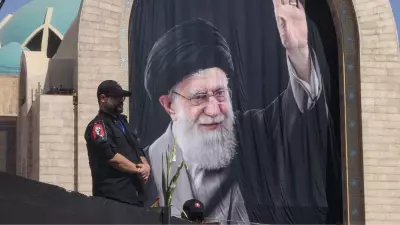
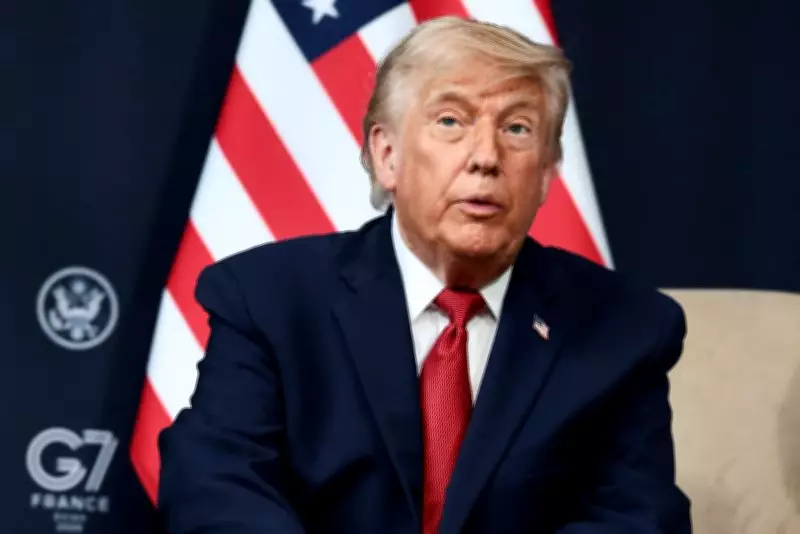
US President Donald Trump and Iranian leaders exchanged threats on Saturday as the interim deal to end the conflict in the Middle East continued to unravel. Trump posted on Truth Social that a thousand missiles were "Locked and Loaded and aimed at the Islamic Republic of Iran, with thousands more to immediately follow" if Iran acted on threats to assassinate him. The threats stemmed from chants at the funeral of Supreme Leader Ayatollah Ali Khamenei, where mourners called for Trump's killing.
Iranian Supreme Leader vows revenge
Iran's new Supreme Leader, Mojtaba Khamenei, vowed in remarks carried by state television that Iranians would continue to avenge the killing of his father, Ali Khamenei, who was killed in a US airstrike on February 28. He stated that such revenge "is the will of our nation and must certainly be carried out." The elder Khamenei, 86, was buried this week after a days-long funeral procession through Iran and Iraq.
Strait of Hormuz remains a major point of contention
The US has demanded that Iran publicly declare the Strait of Hormuz open and guarantee safe passage for ships. However, Tehran insists the waterway remains under its control and has demanded fees from vessels. About a fifth of global traded oil and natural gas passed through the strait before the war. Iran's grip during the conflict caused a global energy crisis, though oil prices have dropped from wartime highs of USD 120 per barrel.

US officials, speaking anonymously, said the resumption of strikes this week was triggered by a rogue faction of Iranian hard-liners trying to sabotage the ceasefire. Iran, however, maintains its theocracy is unified under the new supreme leader. The officials added that Trump is giving negotiators limited time to reach a deal, but has military options if talks fail.
Diplomatic efforts continue amid strikes
Iranian Foreign Minister Abbas Araghchi traveled to Oman for talks on Saturday, while Qatari mediators visited Iran on Friday. Turkish Foreign Minister Hakan Fidan expressed optimism that a solution could be reached this weekend. However, Araghchi accused the US of violating the interim deal by ending waivers for Iran to sell crude oil in US dollars, writing on X: "Reality check: There can only be mutual compliance."
Nuclear deal demands and military options
US officials stated that any nuclear deal with Iran would require Tehran to turn over its stockpile of highly enriched uranium, something Iran has refused. If no deal is reached, the US has military options to ensure the uranium remains buried, without detailing them. The uranium, enriched to near weapons-grade levels, is believed to be at sites bombed by the US in 2025. Iran insists its nuclear program is peaceful, despite the International Atomic Energy Agency noting it is the only non-weapons state enriching to such levels.
The officials also insisted no nuclear deal would be possible unless Iran stops attacking ships in the Strait of Hormuz.
Regional tensions and casualties
After US strikes on Thursday, additional attacks hit Iran, with Israel not claiming responsibility, suggesting Gulf Arab states may have retaliated for Iranian strikes on Bahrain, Jordan, Kuwait, and Qatar. Iranian Health Ministry spokesperson Hossein Kermanpour reported at least 17 killed and 115 wounded in the strikes over two days.
The US continues to urge mariners to use a southern route through Omani territorial waters to avoid Iranian forces, a move that has angered Tehran and sparked the strait attacks.