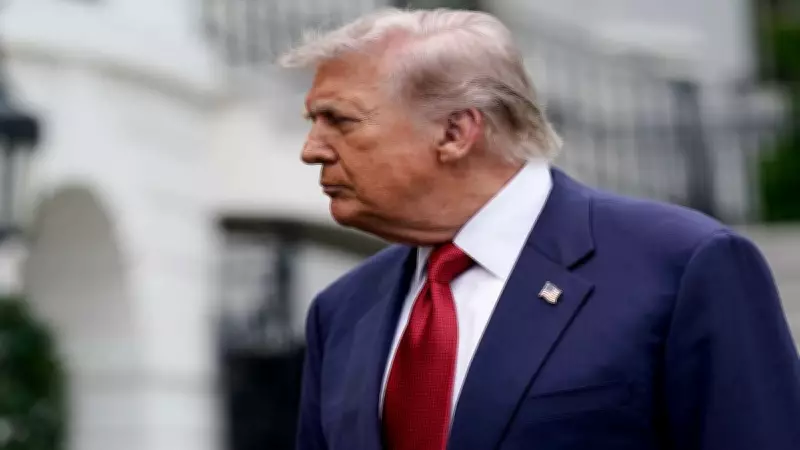
US President Donald Trump has dismissed Iran's response to the American peace proposal aimed at ending the conflict in West Asia, labeling it as 'totally unacceptable.' The rejection comes amid heightened tensions between the two nations, with the US seeking a diplomatic resolution to the ongoing hostilities.
Trump's Stance on Iran's Proposal
In a statement released from the White House, Trump expressed his disappointment with Iran's counteroffer, which he claimed failed to address key US demands. 'We presented a fair and comprehensive plan for peace, but Iran's response is totally unacceptable. They continue to pursue destabilizing activities in the region,' Trump said. The US proposal reportedly included conditions for de-escalation and a framework for future negotiations.
Details of the US Peace Proposal
The US peace proposal, which was submitted to Iranian officials earlier this week, called for an immediate ceasefire, the withdrawal of Iranian-backed militias from conflict zones, and a commitment to halt ballistic missile development. In return, the US offered to lift certain economic sanctions and provide security guarantees. However, Iran's response was seen as insufficient by Washington.

Iran's Counteroffer
Iran's response, delivered through Swiss intermediaries, proposed a gradual reduction of hostilities but did not include a complete cessation of military support for allied groups. Additionally, Tehran insisted on the removal of all US sanctions before any further negotiations, a condition that the Trump administration has consistently rejected.
Iranian Foreign Minister Javad Zarif defended the response, stating that it was a 'reasonable and balanced proposal' that took into account the interests of all parties. 'We are committed to a diplomatic solution, but we will not bow to threats or unilateral demands,' Zarif said in a press conference.
International Reactions
The international community has expressed concern over the stalled peace efforts. UN Secretary-General Antonio Guterres urged both sides to continue dialogue and avoid further escalation. 'The path to peace requires compromise from all parties. We stand ready to facilitate talks,' Guterres said.
European allies, including France and Germany, have also called for renewed negotiations. A joint statement from the EU foreign policy chief emphasized the need for a 'mutually acceptable agreement' to prevent a wider regional conflict.
Implications for West Asia
The failure of the peace proposal raises fears of increased instability in West Asia. The region has already witnessed several incidents, including drone strikes and proxy attacks, which have heightened tensions between the US and Iran. Analysts warn that without a diplomatic breakthrough, the situation could spiral into a full-scale war.
Trump's rejection of Iran's response signals that the US is unlikely to soften its stance. 'We will not accept a bad deal. Iran must change its behavior,' Trump concluded. Meanwhile, Iran remains defiant, with military officials vowing to continue supporting their allies in the region.
The coming days will be crucial as both sides weigh their options. The US has not ruled out further military action, while Iran has warned of severe consequences if its interests are threatened. The world watches anxiously for the next move in this high-stakes diplomatic standoff.