

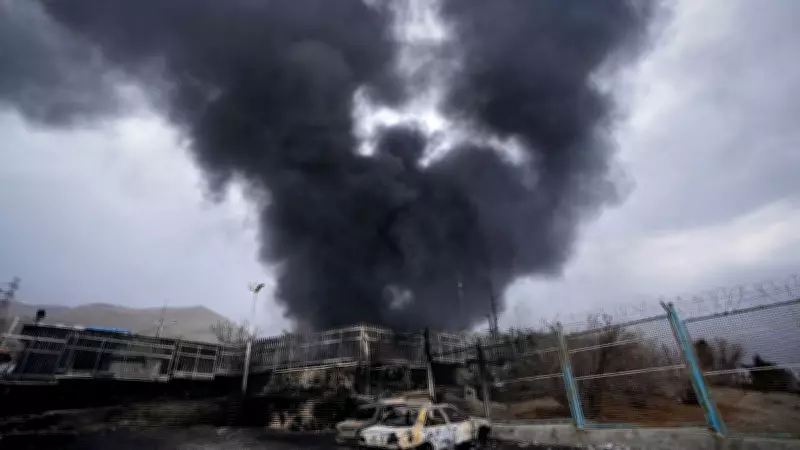
Turkey Scrambles F-16 Jets Following Iranian Missile Interception
In a significant escalation of regional tensions, Turkey has deployed its F-16 fighter jets after its advanced defense systems successfully intercepted an Iranian missile near the shared border. The incident, which occurred recently, prompted immediate military action and a formal warning from Ankara to Tehran, underscoring the volatile security dynamics in the Middle East.
Details of the Missile Interception
According to official reports, Turkey's state-of-the-art air defense network detected and neutralized the Iranian missile as it approached Turkish airspace. The precise location and timing of the interception have not been fully disclosed, but sources indicate it happened in a sensitive border region, raising alarms about potential cross-border threats. This event marks a rare direct military confrontation between the two nations, both of which have complex diplomatic and strategic interests in the area.
The swift response involved scrambling multiple F-16 jets to patrol the skies and assess the situation. These fighter aircraft, known for their agility and combat readiness, were mobilized to deter any further provocations and ensure Turkey's territorial integrity. Military analysts note that such deployments are a standard protocol in response to aerial threats, but the involvement of Iranian missiles adds a layer of geopolitical complexity.

Turkey's Warning to Iran
In the aftermath of the interception, Turkish authorities issued a stern warning to Tehran, emphasizing that any violations of its airspace or security will be met with decisive action. The warning was conveyed through diplomatic channels, highlighting Turkey's commitment to safeguarding its borders and maintaining regional stability. This move signals a potential shift in bilateral relations, which have historically been marked by both cooperation and contention over issues such as Syria and Kurdish militias.
Experts suggest that the incident could strain ties further, as Turkey seeks to balance its NATO commitments with its regional ambitions. The warning serves as a clear message that Ankara will not tolerate security breaches, even from neighboring countries with which it has shared economic and political interests.
Regional Implications and Security Concerns
The interception of an Iranian missile by Turkey has broader implications for the Middle East, a region already grappling with conflicts and power struggles. Key points include:
- Increased Military Alertness: Both Turkey and Iran may heighten their military preparedness along the border, potentially leading to more frequent patrols and defense exercises.
- Impact on Diplomatic Relations: The incident could complicate ongoing negotiations or collaborations, such as those related to trade or regional security forums.
- Global Attention: As a NATO member, Turkey's actions draw scrutiny from allies like the United States and European nations, who monitor developments in the region closely.
This event underscores the fragile nature of security in the Middle East, where missile tests and military maneuvers are common but direct interceptions are less frequent. It raises questions about Iran's missile program and its regional intentions, as well as Turkey's role as a key player in deterring threats.
Conclusion: A Tense Standoff
Turkey's deployment of F-16 jets after intercepting an Iranian missile represents a critical moment in Middle Eastern geopolitics. By issuing a warning to Tehran, Ankara has asserted its defensive capabilities and willingness to respond to provocations. As both nations navigate this incident, the focus will be on whether it leads to de-escalation or further military posturing, with potential ripple effects across the region and beyond.






