Missile Strikes Target UAE and Kuwait as Iran Reports Lavan Island Attack
In a significant escalation of regional tensions, missile attacks struck the United Arab Emirates (UAE) and Kuwait on April 8, 2026, while Iran simultaneously claimed an assault on its Lavan Island. These incidents have cast serious doubt on the effectiveness of recent ceasefire agreements, which were intended to de-escalate conflicts in the area but have evidently failed to prevent such hostilities.
Details of the Attacks and Immediate Aftermath
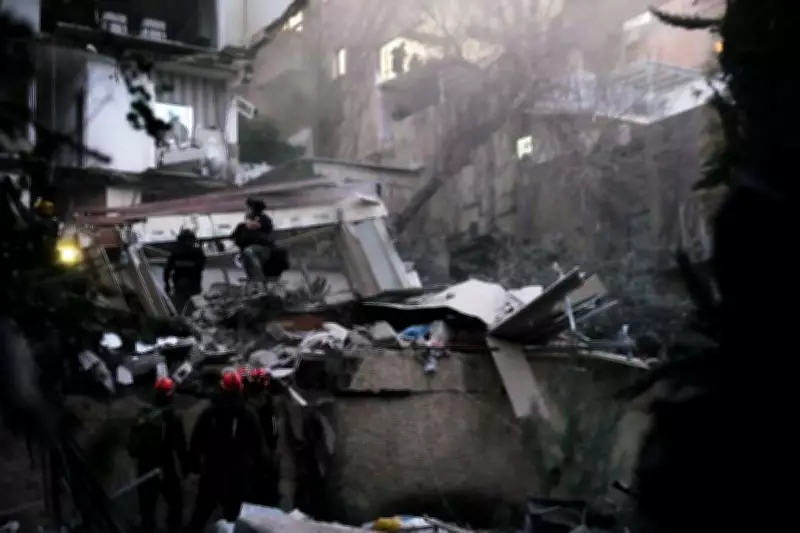
The missile strikes on the UAE and Kuwait resulted in substantial damage to infrastructure and raised immediate security concerns. Authorities in both nations are currently assessing the extent of the destruction and any potential casualties, with emergency response teams deployed to the affected zones. Concurrently, Iran reported that its Lavan Island, located in the Persian Gulf, was targeted in an attack, though specific details regarding the origin or impact of this assault remain unclear at this time.
Iran's Claims and Regional Implications
Iran has publicly stated that the attack on Lavan Island represents a direct threat to its territorial integrity, potentially linking it to broader geopolitical rivalries in the region. This claim adds a layer of complexity to the situation, as it may influence diplomatic relations and military postures among neighboring countries. The timing of these events, closely following ceasefire negotiations, underscores the fragile nature of peace efforts in this volatile area.

Analysis of Ceasefire Failure and Ongoing Tensions
The failure of the ceasefire to stop these attacks highlights deep-seated issues that persist despite diplomatic initiatives. Experts suggest that underlying political, economic, and strategic conflicts continue to fuel hostilities, making it challenging to sustain any temporary truce. This breakdown raises critical questions about the future of regional stability and the potential for further escalations if more robust measures are not implemented.
Global Reactions and Security Concerns
International observers and global powers are closely monitoring the situation, with many expressing concern over the renewed violence. The attacks on the UAE and Kuwait, both key players in the Middle East, coupled with Iran's claims, could have far-reaching implications for global energy markets and security dynamics. There is a growing call for renewed diplomatic efforts to address the root causes of these conflicts and prevent similar incidents in the future.
Looking Ahead: Prospects for Peace and Stability
As investigations into the missile strikes and the Lavan Island attack proceed, the focus shifts to whether new ceasefire agreements or international interventions can be forged to restore calm. The persistence of such attacks despite previous peace attempts suggests that a more comprehensive approach, involving all stakeholders, may be necessary to achieve lasting stability in the region.