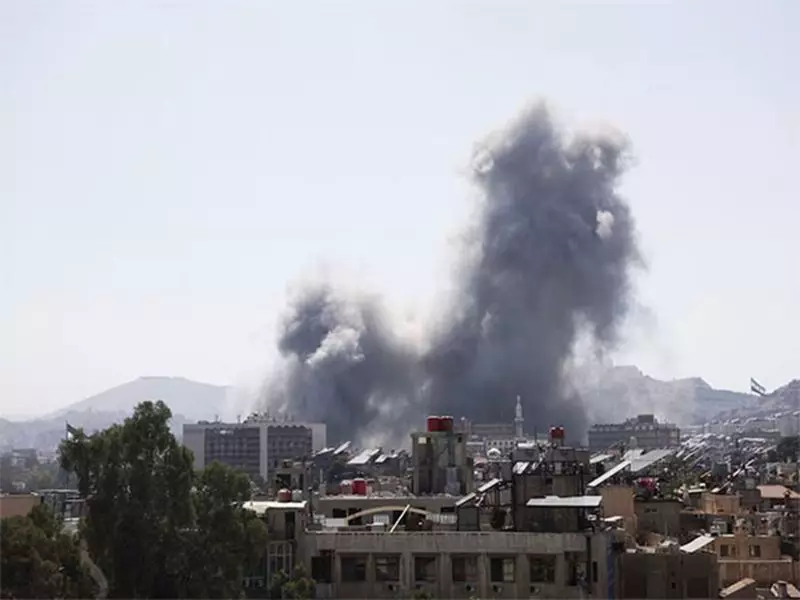
In a significant display of allied military cooperation, the United Kingdom and France have executed a coordinated airstrike against a facility linked to the Islamic State (IS) militant group in Syria. The operation, which took place on the night of November 21, 2024, targeted a suspected weapons storage site in eastern Syria.
Details of the Coordinated Military Operation
The joint mission was a carefully planned endeavor. According to statements from the UK Ministry of Defence, Royal Air Force Typhoon FGR4 aircraft participated in the strikes. These jets were supported by a Voyager air refuelling tanker. The French military contributed its own fighter aircraft to the operation. The primary objective was to neutralize a facility believed to be used by ISIS for storing weapons and logistical supplies, thereby degrading the group's operational capabilities in the region.
The decision for this military action was not taken lightly. Authorities from both nations stated that the target was selected based on credible intelligence confirming its use by the terrorist organisation. The strikes were precision-guided to minimise the risk of civilian casualties and collateral damage. This action underscores the continued threat posed by ISIS remnants, who continue to operate from remote locations despite the loss of their territorial caliphate.

Official Statements and Strategic Rationale
Following the operation, official communications clarified the rationale behind the strikes. A spokesperson for the UK government emphasised that the action was taken in self-defence, targeting a site that posed a direct threat to international security and the safety of coalition forces operating in the region. The statement highlighted the enduring commitment of the UK and its allies to counter the terrorist threat emanating from Syria and Iraq.
Similarly, French authorities affirmed their nation's resolve to combat terrorism wherever it appears. The joint nature of this operation sends a powerful message of unity and shared purpose between the two European powers. It demonstrates a continued commitment to the global coalition against ISIS, a partnership that has been instrumental in combating the group over the past decade. The timing of the strikes, coming amidst ongoing regional instability, reaffirms that the fight against extremist ideologies remains a top security priority.
Regional Context and Future Implications
The airstrikes occurred in eastern Syria, a region where ISIS affiliates still maintain a presence and carry out sporadic attacks. While the group no longer controls vast swathes of land, its ability to wage an insurgency and plot attacks remains a serious concern for global security agencies. This military intervention highlights the complex and protracted nature of modern counter-terrorism campaigns, which often extend far beyond conventional battlefields.
The immediate consequence of this operation is the likely significant degradation of a key logistical node for the terrorist network. Looking ahead, such targeted actions are expected to continue as part of a broader strategy to contain and dismantle militant networks. The collaboration between the UK and France sets a precedent for future multinational efforts aimed at ensuring that groups like the Islamic State cannot regroup or regain strength. The international community continues to monitor the situation closely, balancing military action with diplomatic and humanitarian efforts to achieve lasting stability in the region.