In a significant escalation of cross-border strikes, Ukrainian forces have successfully targeted a major oil processing facility in southern Russia. Simultaneously, both Russian and Ukrainian authorities reported a series of drone attacks in the contested Kherson region, underscoring the intensifying nature of the conflict.
Ukrainian Drones Hit Key Russian Oil Refinery
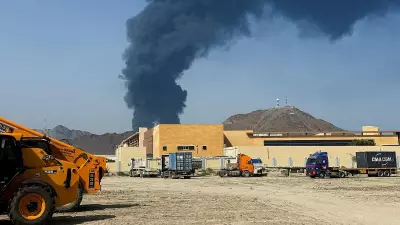
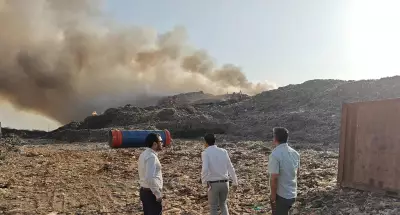
The Ukrainian Security Service (SBU) executed a precise drone strike on the Ilsky oil refinery in Russia's Krasnodar region. This facility is a crucial piece of infrastructure for processing and transporting fuel. According to a Ukrainian defense source, the attack resulted in a significant fire that severely disrupted operations at the plant.
This is not the first time the Ilsky refinery has been targeted. It has been hit previously in strikes that Ukraine says are aimed at crippling Russia's military logistics and fuel supply lines. The attack on Saturday, May 11, demonstrates Kyiv's continued ability to project force deep into Russian territory, targeting economic and strategic assets.

Exchange of Drone Strikes in Kherson Region
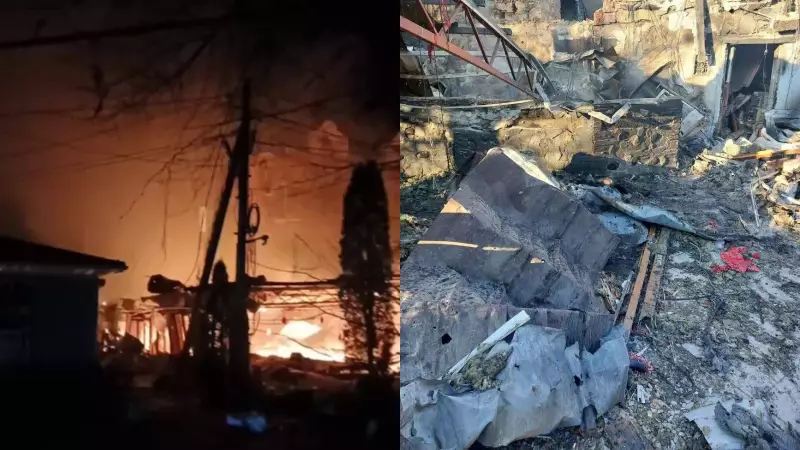
While Ukraine struck inside Russia, the front-line region of Kherson witnessed a mutual exchange of drone assaults. Russian-installed officials in the occupied part of Kherson claimed that Ukrainian attack drones targeted civilian infrastructure. Vladimir Saldo, the Moscow-appointed head of the region, stated that the attacks damaged a communications center and a residential building.
Conversely, Ukrainian authorities reported that Russian forces launched their own drone attacks on the city of Kherson. The Ukrainian military's Southern Defence Forces confirmed that Russian troops used first-person view (FPV) drones to strike the city. They also reported that Russian forces shelled the village of Tyahynka, resulting in one civilian injury.
Strategic Implications and Ongoing Conflict
The dual-front attacks highlight the evolving dynamics of the war. Ukraine's sustained campaign against Russian oil refineries aims to undermine the economic engine funding the Kremlin's war machine and to complicate military fuel supply chains. These strikes have forced Russia to increase imports of gasoline and implement temporary export bans to stabilize its domestic market.
Meanwhile, the fighting along the Dnipro River in Kherson remains intense. Both sides have established positions on opposite banks, with frequent shelling, drone raids, and attempts at amphibious landings characterizing the battle for control. The use of FPV drones, which are relatively cheap and adaptable, has become a standard tactic for both armies in this sector.
The international community continues to watch these developments closely, as they impact global energy markets and regional stability. The attacks signal that despite ongoing defensive struggles, Ukraine retains the capability and will to strike back at strategically valuable targets within Russia's borders.