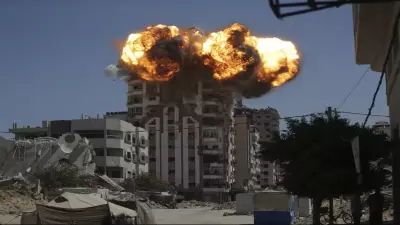
Ukraine's defence intelligence agency has issued a stark warning, accusing the Kremlin of actively preparing a series of provocations to create a fabricated pretext for a new and intensified wave of military aggression. Kyiv asserts that Moscow is developing a 'false justification' to launch further devastating attacks on Ukrainian territory.
The Kremlin's Alleged Provocation Blueprint
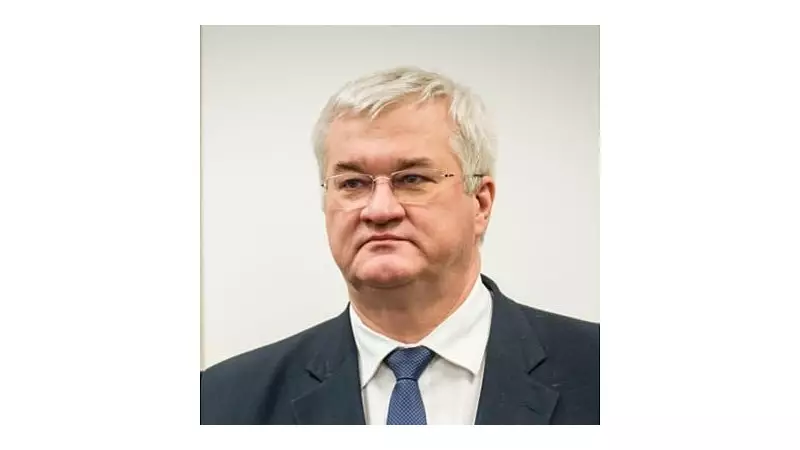
According to a statement released by Ukraine's Main Directorate of Intelligence (GUR), Russian special services are orchestrating what are known as 'false flag' operations. The core allegation is that Russia plans to stage attacks on its own facilities or the civilian population in occupied territories, only to blame these acts on Ukrainian forces. Andriy Yusov, a representative of the GUR, emphasized that these staged events are designed to be portrayed as 'terrorist attacks' in Russian state-controlled media.
The intelligence suggests the provocations could target locations in Russia's Belgorod region, which has experienced cross-border incidents, or in areas of Ukraine currently under Russian occupation. The ultimate goal, as stated by Kyiv, is to manipulate public opinion, both domestically in Russia and internationally, to build support for a significant escalation in hostilities. This strategy is seen as an attempt to frame any forthcoming major Russian offensive as a 'response' to Ukrainian aggression.

Historical Context and Immediate Implications
This warning is not made in a vacuum. Ukrainian and Western officials have repeatedly accused Russia of employing similar disinformation tactics in the past, including in the lead-up to its full-scale invasion in February 2022. The use of fabricated narratives to justify military action is a longstanding component of hybrid warfare.
The Ukrainian intelligence statement serves multiple purposes. Firstly, it is a pre-emptive strike against Russian information operations, aiming to discredit Moscow's future narratives before they are fully deployed. Secondly, it is a direct appeal to the international community, urging global leaders and media to scrutinize Russian claims critically and not be swayed by potential fabrications. Kyiv's message is clear: any future Russian claims of Ukrainian attacks on civilian targets should be treated with extreme skepticism and independently verified.
A Call for Global Vigilance
By publicly exposing these alleged plans, Ukraine is attempting to rob the Kremlin of the element of surprise in the information domain. The GUR's disclosure is a strategic move to control the narrative and ensure that the world is watching closely. It underscores the ongoing battle of perceptions that runs parallel to the physical conflict on the ground.
The situation remains highly volatile. While the specifics of any planned Russian offensive are unknown, the Ukrainian warning highlights the persistent threat of escalation. It reinforces the view that the Kremlin may seek any available justification, real or manufactured, to intensify its military campaign. The international community now faces the challenge of navigating this complex information landscape, where distinguishing fact from orchestrated fiction is crucial for formulating an appropriate response to the ongoing war.
As the conflict grinds on, such intelligence disclosures become vital tools for Ukraine in securing continued diplomatic and military support. They frame the war not just as a territorial struggle, but as a defence against a regime willing to manipulate reality to achieve its strategic ends.