

Ukraine Endures Most Lethal Assault of the Year Following Diplomatic Discussions
In a devastating escalation of hostilities, Ukraine has been struck by what is being described as the deadliest attack of the current year from Russian forces. This tragic incident unfolded mere hours after a series of trilateral talks aimed at de-escalating the ongoing conflict. The timing of the assault has raised significant concerns among international observers and diplomatic circles, highlighting the fragile nature of peace efforts in the region.
Details of the Attack and Its Immediate Aftermath
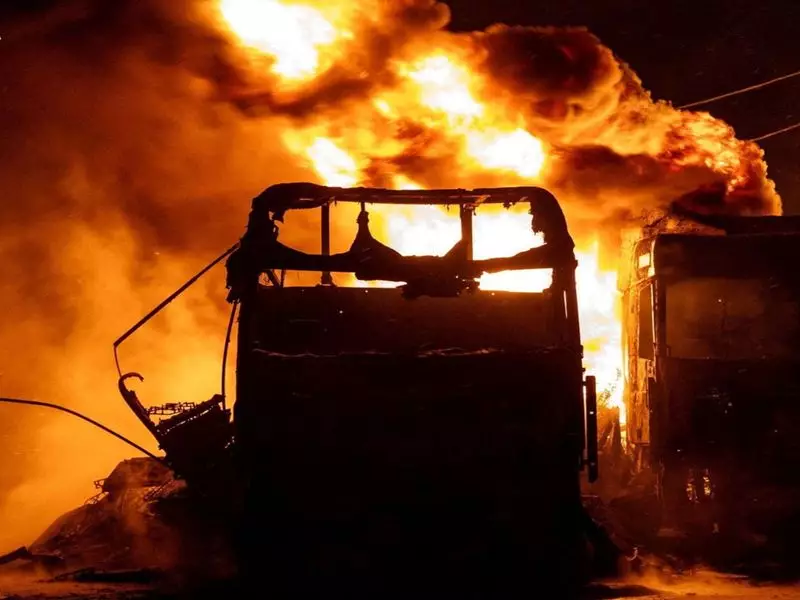
The attack, which targeted civilian and military infrastructure, resulted in a substantial loss of life and widespread destruction. Preliminary reports indicate that multiple locations across Ukraine were hit, with emergency services struggling to respond to the scale of the devastation. The exact number of casualties is still being assessed, but authorities have confirmed that this marks the most severe single incident in terms of fatalities since the beginning of the year.
Eyewitness accounts describe scenes of chaos and despair, as rescue operations continue in the affected areas. The Ukrainian government has condemned the attack in the strongest terms, labeling it as a blatant violation of international law and a deliberate attempt to undermine recent diplomatic initiatives.

Context of the Trilateral Talks and Their Implications
The trilateral talks, which involved representatives from Ukraine, Russia, and international mediators, were held with the objective of finding a peaceful resolution to the conflict. These discussions, though not publicly detailed in full, were seen as a critical step towards reducing tensions and addressing humanitarian concerns. The fact that the deadliest attack of the year occurred so shortly after these talks has cast a shadow over the prospects for future negotiations.
Analysts suggest that this attack could represent a strategic move by Russia to exert pressure on Ukraine and its allies, potentially derailing the diplomatic process. The international community, including key players from Europe and the United Nations, has expressed alarm over the escalation, calling for an immediate ceasefire and a return to dialogue.
International Reactions and Calls for Action
In response to the attack, global leaders have issued statements urging restraint and emphasizing the need for a peaceful settlement. The United Nations Security Council is expected to convene an emergency meeting to discuss the situation, with many member states likely to push for stronger measures against the aggressor. Humanitarian organizations are also mobilizing to provide aid to the victims, highlighting the urgent need for medical supplies and shelter in the impacted regions.
This incident underscores the ongoing volatility in Eastern Europe and the challenges faced by diplomatic efforts in conflict zones. As the world watches closely, the focus remains on preventing further loss of life and fostering a sustainable path to peace.






