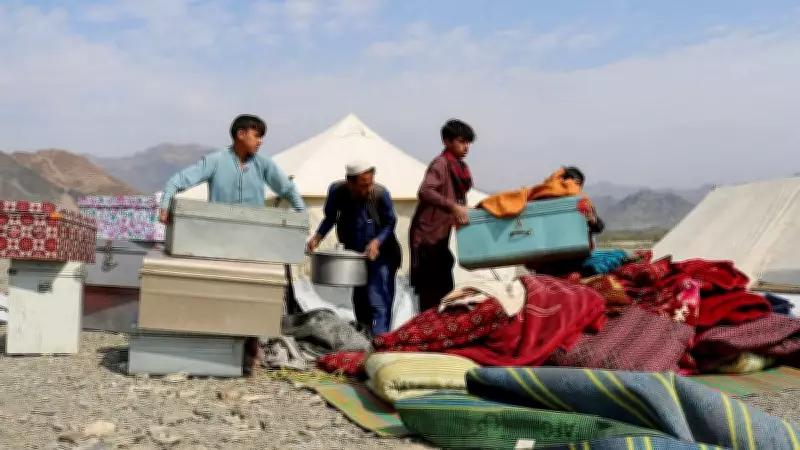
UN Reports 100,000 Displaced as Afghan and Pakistani Forces Clash at Border
In a significant escalation of tensions, Afghan Taliban forces have launched attacks on Pakistani military installations along the shared 2,600-kilometer (1,600-mile) border, according to statements from Afghanistan's Ministry of Defense. The clashes have resulted in the destruction of numerous military posts and the shooting down of a Pakistani drone, highlighting the intensifying conflict in the region.
Details of the Border Confrontation
The Afghan Ministry of Defense confirmed that Taliban forces targeted Pakistani military positions, leading to severe damage to infrastructure and equipment. This aggressive move marks a sharp deterioration in relations between the two neighboring countries, which have long been fraught with disputes over border security and militant activities.
Key incidents reported include:

- Destruction of multiple Pakistani military posts along the border.
- Successful downing of a Pakistani surveillance drone, indicating heightened military engagement.
- Ongoing skirmishes that threaten to spill over into broader regional instability.
Humanitarian Crisis Unfolds
Simultaneously, the United Nations has issued a grave report, stating that the ongoing war has displaced approximately 100,000 people. This massive displacement underscores the severe humanitarian impact of the conflict, with civilians caught in the crossfire and forced to flee their homes.
The UN's findings reveal a dire situation:
- Widespread displacement affecting vulnerable populations, including women and children.
- Urgent need for humanitarian aid and shelter in conflict-affected areas.
- Growing concerns over potential refugee crises as people seek safety across borders.
Regional Implications and International Response
The clashes between Afghan and Pakistani forces have far-reaching implications for regional security. The 2,600-km border, known for its rugged terrain and historical tensions, has become a flashpoint for military confrontations. International observers are closely monitoring the situation, fearing that further escalation could destabilize South Asia.
Potential consequences include:
- Increased militarization along the border, straining diplomatic relations.
- Risks of broader conflict involving other regional actors.
- Challenges for global peacekeeping efforts in Afghanistan and Pakistan.
As the conflict continues, the international community is urged to address both the military clashes and the humanitarian crisis. The UN's report on displacement serves as a stark reminder of the human cost of war, calling for immediate action to protect civilians and restore stability in the region.