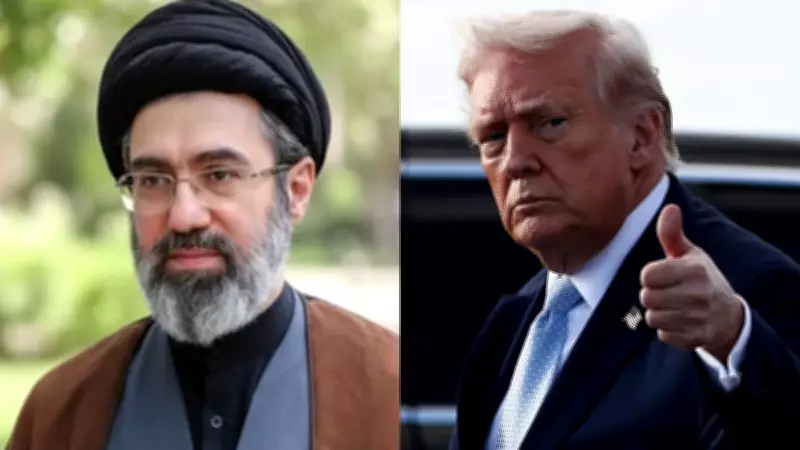
In a significant diplomatic development, the United States and Iran are reportedly on the verge of launching a comprehensive 14-point memorandum that would establish a 30-day negotiation window aimed at ending the prolonged conflict between the two nations. According to sources familiar with the matter, the proposed agreement represents a major breakthrough after months of backchannel discussions mediated by regional and international actors.
Key Details of the Memorandum
The draft memorandum, which has been circulated among key stakeholders, outlines a structured framework for negotiations covering critical issues including Iran's nuclear program, regional security arrangements, and the lifting of economic sanctions. The 30-day window is designed to provide a focused timeline for both parties to reach a mutually acceptable agreement, with provisions for potential extensions if significant progress is demonstrated.
Diplomatic Channels and Mediation
Sources indicate that the negotiations have been facilitated by a coalition of neutral states, including Oman and Qatar, who have played pivotal roles in bridging the trust deficit between Washington and Tehran. The United Nations has also been closely involved, with Secretary-General Antonio Guterres reportedly briefed on the latest developments. The memorandum is expected to be signed in a neutral venue, likely in Geneva or Vienna, within the coming weeks.

Implications for Regional Stability
Analysts view this potential agreement as a game-changer for Middle Eastern geopolitics. A successful negotiation could de-escalate tensions across the Persian Gulf, reduce the risk of military confrontation, and pave the way for broader regional cooperation. The memorandum also includes provisions for monitoring and verification mechanisms to ensure compliance by both sides.
Reactions from Key Players
While official statements are yet to be released, preliminary reactions from political circles in Washington and Tehran suggest cautious optimism. Hardliners in both capitals have expressed reservations, but moderate voices are pushing for the initiative, citing the immense human and economic costs of continued hostilities. The international community, including European allies and China, has welcomed the prospect of a negotiated settlement.
Next Steps
If the memorandum is finalized, it will trigger a 30-day countdown during which intensive negotiations will take place. The agenda includes addressing Iran's uranium enrichment levels, the status of US sanctions, and the role of Iran-backed militias in the region. Failure to reach a consensus within the timeframe could lead to the collapse of the talks and a potential return to heightened tensions.
The coming days are critical as both sides finalize the text of the memorandum. Observers remain hopeful that this diplomatic push will lead to a lasting peace, marking a new chapter in US-Iran relations.