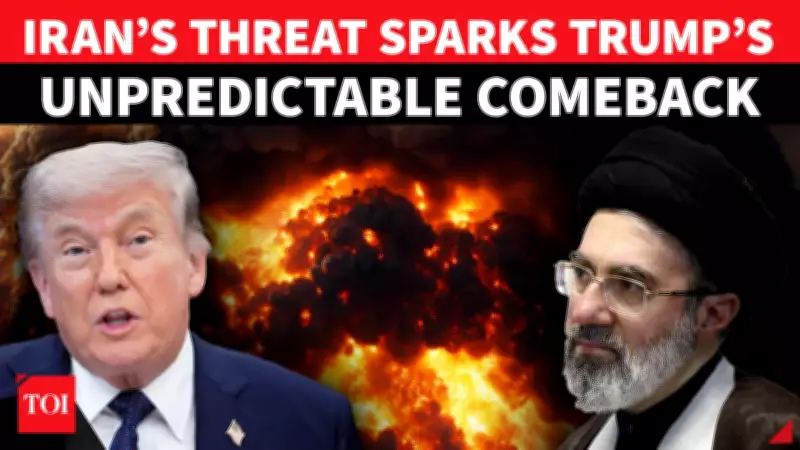
The United States and Iran are reportedly moving toward a significant diplomatic breakthrough after negotiators agreed on the framework for a 60-day ceasefire extension deal. According to US media reports, the draft understanding would reopen the Strait of Hormuz, ease sanctions, unfreeze Iranian assets, and launch direct negotiations over Tehran's nuclear program. However, the explosive deal still awaits final approval from President Donald Trump, while Iran has yet to officially confirm acceptance. The proposed agreement could become the biggest turning point in the conflict since the war erupted earlier this year.
Key Elements of the Proposed Deal
The draft agreement includes several critical components aimed at de-escalating tensions between the two nations. First, the reopening of the Strait of Hormuz, a vital waterway for global oil shipments, would restore stability to energy markets. Second, the easing of sanctions would provide economic relief to Iran, while the unfreezing of Iranian assets would boost its financial liquidity. Third, direct negotiations over Iran's nuclear program would address long-standing international concerns about Tehran's atomic ambitions.
Challenges Ahead
Despite the progress, the deal faces significant hurdles. President Trump's final approval is uncertain, given his previous hardline stance on Iran. Additionally, Iran's official confirmation remains pending, and internal political dynamics in both countries could derail the agreement. Analysts warn that any misstep could reignite hostilities, which have already caused widespread destruction and loss of life.

The potential breakthrough comes after months of intense conflict, including Iranian missile strikes on US military bases and US retaliatory actions. The humanitarian toll has been severe, with thousands of casualties and millions displaced. If finalized, the ceasefire could pave the way for a broader peace process, though deep mistrust between the parties persists.
International observers are closely watching the developments, with many hoping that diplomacy will prevail over further military confrontation. The United Nations and other global bodies have urged both sides to seize this opportunity for peace.