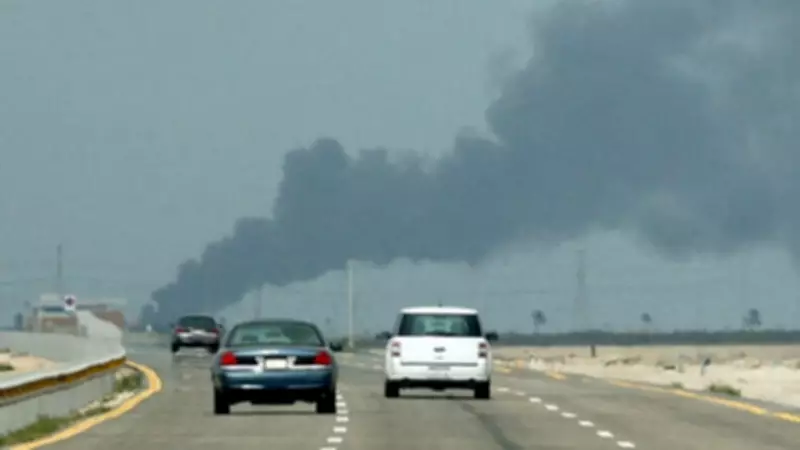
US-Iran Conflict Intensifies with Attacks on Energy and Shipping Targets
The ongoing military confrontation between the United States and Iran has escalated significantly, with recent strikes targeting critical energy facilities and disrupting key shipping lanes in the region. This development marks a dangerous new phase in the conflict, raising global concerns over energy security and maritime safety.
Trump Issues Ultimatum to Iran Over Strait Access
US President Donald Trump has delivered a fresh ultimatum to the Iranian government, demanding that they reopen the strategically vital Strait by the end of Tuesday. This waterway serves as a crucial artery for global oil shipments, and its closure has already caused significant disruptions to international trade flows.
The American president's demand comes amid heightened military activities in the region, with US forces reportedly coordinating operations with Israeli counterparts. The ultimatum represents a clear attempt to assert control over this critical maritime chokepoint, which Iran has effectively blocked as part of its defensive strategy.

Iran Rejects US Demands and Threatens Further Attacks
Iranian officials have categorically rejected President Trump's ultimatum, dismissing it as unacceptable foreign interference in regional affairs. More alarmingly, Tehran has issued explicit threats of additional attacks on Gulf infrastructure, signaling their readiness to escalate the conflict further.
"We will not bow to American pressure or threats," declared an Iranian military spokesperson. "Our response to any aggression will be swift and decisive, targeting the very infrastructure that supports hostile forces in the region."
Energy Infrastructure Suffers Significant Damage
The conflict has already taken a heavy toll on energy infrastructure throughout the Gulf region:
- Multiple oil refineries and storage facilities have sustained damage from precision strikes
- Pipeline networks connecting production sites to export terminals have been disrupted
- Offshore drilling platforms have been evacuated following security threats
- Power generation facilities serving energy infrastructure have experienced outages
These attacks have immediate implications for global energy markets, with oil prices experiencing volatility as traders assess the impact on supply chains. The targeting of such critical infrastructure represents a strategic escalation that could have long-term consequences for regional energy production capabilities.
Shipping Industry Faces Unprecedented Disruption
Maritime traffic through the Gulf has been severely impacted by the conflict:
- Commercial vessels are being rerouted away from traditional shipping lanes
- Insurance premiums for Gulf transit have skyrocketed due to security risks
- Several cargo ships have reported near-misses with military assets
- Port operations in multiple Gulf countries have been temporarily suspended
The closure of key straits and waterways has created bottlenecks in global shipping, affecting everything from container shipments to bulk commodity transport. This disruption comes at a particularly sensitive time for global supply chains that are still recovering from previous pandemic-related challenges.
Regional and Global Implications
The escalating conflict between the United States and Iran carries profound implications for regional stability and global security. The targeting of energy infrastructure threatens to destabilize economies throughout West Asia and beyond, while the disruption of shipping lanes affects international trade patterns.
Diplomatic efforts to de-escalate the situation appear to have stalled, with both sides hardening their positions. The involvement of Israel in the conflict adds another layer of complexity to an already volatile situation, raising concerns about potential regional spillover effects.

As the Tuesday deadline approaches, international observers are watching closely to see whether diplomatic channels can be reopened or whether further military escalation is inevitable. The coming days will be critical in determining whether this conflict can be contained or whether it will expand into a broader regional confrontation with global consequences.