

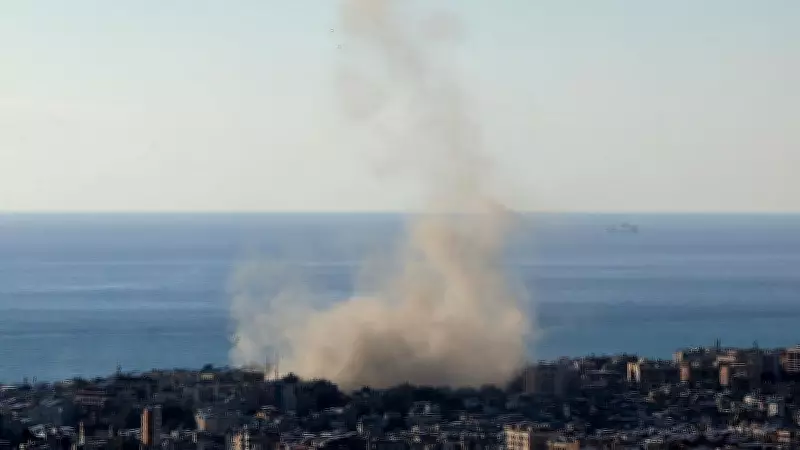
Escalating Tensions Between US, Israel, and Iran Head Toward a Frozen Conflict
The volatile geopolitical landscape in the Middle East is witnessing heightened tensions between the United States, Israel, and Iran, with recent escalations sparking fears of a broader regional war. However, a deeper analysis suggests that this conflict is increasingly likely to settle into a frozen stalemate rather than erupt into full-scale hostilities. Three pivotal factors are driving this trajectory, shaping the dynamics of a protracted standoff that could define the region's security for years to come.
1. Military Deterrence and Strategic Calculations
One of the primary reasons the US-Israel-Iran conflict is headed for a frozen state is the robust military deterrence established by all parties involved. The United States maintains a formidable military presence in the region, with advanced capabilities and strategic alliances that serve as a powerful deterrent against large-scale aggression. Israel, for its part, possesses a highly sophisticated defense system, including the Iron Dome and other missile defense technologies, which have proven effective in countering threats from Iranian proxies.
Iran, while facing economic and military constraints, has developed asymmetric warfare tactics and supports proxy groups across the Middle East, such as Hezbollah in Lebanon and Houthi rebels in Yemen. This creates a complex web of indirect confrontations that makes direct military engagement risky and costly for all sides. The mutual recognition of these military realities fosters a cautious approach, where actions are calibrated to avoid triggering an all-out war, thereby pushing the conflict into a frozen phase characterized by periodic skirmishes and cyber-attacks rather than open battlefield clashes.

2. Economic Pressures and Sanctions Impact
Economic factors play a crucial role in steering the US-Israel-Iran conflict toward a frozen stalemate. Iran is grappling with severe economic challenges due to extensive international sanctions imposed by the United States and its allies. These sanctions have crippled Iran's oil exports, restricted access to global financial systems, and fueled domestic discontent, limiting the country's ability to sustain prolonged military campaigns.
Conversely, the United States and Israel face their own economic considerations. A full-scale war would entail massive financial costs, disrupt global energy markets, and strain resources, particularly in an era of shifting geopolitical priorities. The economic interdependence of the global economy means that any major conflict could have ripple effects, including spikes in oil prices and market instability, which all parties are keen to avoid. This economic calculus encourages a strategy of containment and limited engagement, reinforcing the trend toward a frozen conflict where economic pressures act as a brake on escalation.
3. Diplomatic Complexities and International Mediation
The third factor contributing to the frozen nature of the US-Israel-Iran conflict is the intricate diplomatic landscape and ongoing international mediation efforts. Diplomatic channels, though often strained, remain active, with various global actors, including European nations, Russia, and China, playing roles in de-escalation talks. These efforts aim to prevent a broader war by fostering dialogue and negotiating temporary ceasefires or agreements.
However, deep-seated mistrust and conflicting interests among the parties complicate diplomatic resolutions. The United States and Israel demand concessions on Iran's nuclear program and regional activities, while Iran seeks relief from sanctions and recognition of its regional influence. This deadlock leads to a situation where diplomacy manages to prevent total collapse into war but fails to achieve a comprehensive peace, resulting in a frozen conflict. In such a scenario, tensions simmer below the surface, with occasional flare-ups controlled through back-channel communications and international pressure, rather than escalating into sustained military campaigns.

In summary, the interplay of military deterrence, economic pressures, and diplomatic complexities is shaping the US-Israel-Iran conflict into a frozen stalemate. While the risk of escalation remains ever-present, these factors collectively steer the situation toward a protracted standoff, where hostilities are contained but not resolved. This frozen conflict dynamic underscores the challenges of achieving lasting peace in the Middle East and highlights the need for innovative strategies to address underlying grievances and build sustainable security frameworks in the region.





