The latest developments reflect a rapidly evolving geopolitical crisis spanning military confrontation, diplomatic standoffs, and domestic political backlash across multiple regions. In Lebanon, Israeli strikes on towns in the south, including Mashghara, reportedly killed at least 12 people and wounded several others, marking another escalation in the conflict between Israel and Hezbollah. The attacks came as Israel intensified operations against Hezbollah positions, while northern Israeli communities faced tighter security restrictions amid fears of retaliation.
Iran Issues Stern Warnings
Iran, meanwhile, adopted an increasingly defiant tone. Iranian military spokesperson Abolfazl Shekarchi warned that any renewed attacks on the country would provoke a "far more severe" response that could extend beyond regional borders. Separately, Iranian lawmaker Ebrahim Rezaei insisted that Tehran's negotiators must engage with the United States "from a position of victorious power", arguing that concessions would only embolden adversaries and weaken Iran's strategic position.
Diplomatic Tensions with UAE
Diplomatic tensions also sharpened between Iran and the UAE after Emirati officials accused Tehran of violating international law through what they described as continued "terrorist attacks" against Gulf countries. Iran countered by alleging that the UAE had supported military operations targeting the Islamic republic, with Iranian officials claiming to possess evidence documenting regional military cooperation.

UK Accused of Creating Political Prisoners
In the United Kingdom, a separate but politically charged debate emerged after the publication of Britain's Political Prisoners, a report alleging that British authorities have increasingly imprisoned Palestine and climate activists since 2019. The report claims peaceful protesters are being targeted under pressure from political and corporate interests, and it comes shortly after a court ruling declared the ban on the Palestine Action group unlawful, though the decision remains under appeal.
Israeli Strike on Southern Lebanon
At least 12 people were killed in Israeli strikes on the southern Lebanese town of Mashghara, according to Lebanon's National News Agency. Lebanese rescue workers recovered the bodies following the attack, while health authorities said several others were wounded. The incident marks another escalation in cross-border hostilities between Israel and Hezbollah.
Iran Warns of Severe Response
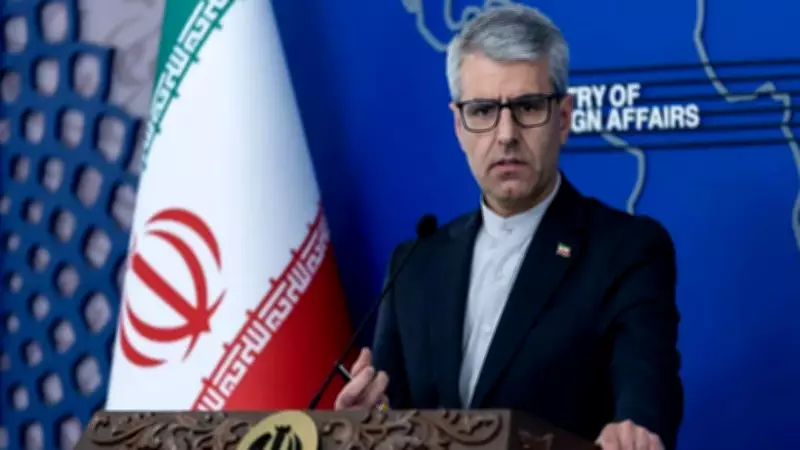
Iran's military has warned that any fresh aggression against the country would provoke a "far more severe" response extending beyond the Middle East. Abolfazl Shekarchi, spokesperson for the Iranian armed forces, said Tehran would escalate its retaliation if another round of conflict breaks out. In remarks carried by Iran's Fars news agency, Shekarchi said any future Iranian attacks would go beyond the region's borders and be "heavier and more violent" than previous operations.
Iran Must Negotiate from Strength
Iranian lawmaker Ebrahim Rezaei has said Tehran's diplomats must approach mediated talks with the United States "from a position of victorious power" amid ongoing regional tensions. Rezaei, who serves as spokesperson for Iran's parliament National Security and Foreign Policy Commission, said Iran remained the "definitive victor" despite the conflict. He also warned against making concessions during negotiations, stating, "Yielding to the enemy only makes it more savage and exacerbates our problems."
UAE Rejects Iran's Accusations
The United Arab Emirates rejected allegations made by Iran and accused Tehran of carrying out "terrorist attacks" against the Gulf nation, escalating tensions during the BRICS Foreign Ministers' Meeting in New Delhi. In a statement, the UAE Ministry of Foreign Affairs condemned what it described as Iran's attempts to justify attacks targeting the Emirates, calling them "a flagrant violation of the United Nations Charter, international law, and the principles of good neighbourliness."

UAE minister of state Khalifa Shaheen Al Marar reaffirmed the country's "categorical rejection" of allegations against its sovereignty and said the Emirates reserved the right to respond militarily to threats or hostile acts. He cited UN Security Council Resolution 2817 (2026) and a Human Rights Council resolution adopted in Geneva condemning Iranian attacks.
The remarks came after Iranian Deputy Foreign Minister for Legal and International Affairs Kazem Gharibabadi accused the UAE of supporting military aggression against Iran during the BRICS meeting. Gharibabadi claimed, "Every warplane that took off from the United Arab Emirates has been documented, including the exact time, date, and flight path," saying Iran had submitted 120 official notices and evidence to the UN Security Council.
Broader Implications
Collectively, these developments underscore rising instability not only in the Middle East but also in the broader political discourse surrounding protest, national security, and international diplomacy. Tensions across the Middle East continue to escalate as Israel, Iran, Lebanon, and Gulf nations exchange military threats, diplomatic accusations, and political warnings amid fragile ceasefire efforts and stalled negotiations.