

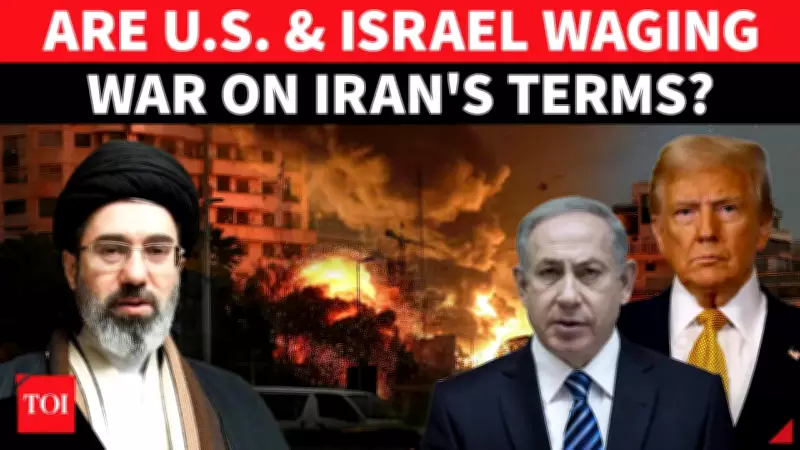
US-Israel Walk Into Iran's Trap? Middle East Escalation Spins Out of Control
Have the United States and Israel inadvertently stumbled into the very escalation that Iran has spent years meticulously preparing for? This critical question is at the heart of the current Middle East crisis, as tensions reach unprecedented levels. Middle East analyst Megan Sutcliffe provides a detailed examination of how asymmetric warfare tactics are transforming minor provocations into catastrophic consequences with global implications.
The Asymmetric Warfare Strategy
Iran's military doctrine has long emphasized asymmetric warfare, a strategy designed to exploit the weaknesses of more powerful adversaries like the US and Israel. This approach involves using unconventional tactics, such as proxy forces, cyberattacks, and precision missile strikes, to achieve strategic objectives without engaging in direct, conventional conflict. Sutcliffe reveals that Iran has invested heavily in developing these capabilities over decades, creating a complex network of threats that are difficult to counter with traditional military means.
The recent escalation appears to be a textbook example of this strategy in action. Small-scale incidents, which might have been dismissed as minor skirmishes in the past, have now triggered a chain reaction of retaliatory strikes and counter-strikes. This has led to a rapid and dangerous spiral of violence, with both sides struggling to de-escalate amidst mounting casualties and political pressure.

Recent Developments and Key Incidents
The situation has deteriorated significantly in recent days, with several high-profile incidents highlighting the volatility of the region:
- Iranian missile barrages have targeted Israeli cities like Tel Aviv and Haifa, causing widespread damage and igniting fires in residential and commercial buildings.
- Iran claims to have successfully neutralized US-made drone clones, showcasing their advanced anti-drone technology on camera as proof of their military prowess.
- Political rhetoric has intensified, with figures like Donald Trump making statements about Saudi Arabia's potential involvement in the conflict, while Iran issues fresh warnings about deploying "game-changing" secret weapons.
- Reports indicate that key infrastructure, such as gas pipelines in nuclear towns, has been hit, further complicating efforts to restore stability.
These events underscore how Iran's asymmetric tactics are designed to create maximum disruption with minimal risk, forcing the US and Israel into a reactive posture that plays into Tehran's hands.
Political and Diplomatic Fallout
The conflict has also sparked fierce political debates in the United States. During recent hearings, lawmakers have grilled officials over issues like liability in telecommunications and the seizure of phone records, reflecting the domestic ramifications of the crisis. Ted Cruz's revelations about the Department of Justice's actions have added fuel to the fire, highlighting how internal political divisions can exacerbate external conflicts.
Iran's rejection of diplomatic overtures, such as Trump's claims of productive talks, suggests that the regime is committed to its current path of confrontation. This stance makes it increasingly difficult for international mediators to broker a ceasefire or negotiate a lasting peace agreement.
Global Implications and Future Outlook
The escalation in the Middle East has far-reaching consequences beyond the immediate region. It threatens to destabilize global energy markets, disrupt international trade routes, and draw in other powers like Saudi Arabia and Russia. The use of advanced weaponry, including missiles that can penetrate defense shields, raises concerns about the potential for even more devastating attacks in the future.
Sutcliffe warns that unless the US and Israel can adapt their strategies to counter Iran's asymmetric warfare effectively, they risk being trapped in a cycle of escalation that benefits Tehran. This requires not only military innovation but also diplomatic finesse and a coherent political strategy to address the root causes of the conflict.

In conclusion, the current crisis serves as a stark reminder of how asymmetric warfare can turn small moves into massive consequences. As the situation continues to evolve, the world watches anxiously to see if the US and Israel can extricate themselves from Iran's carefully laid trap or if the Middle East will descend further into chaos.





