

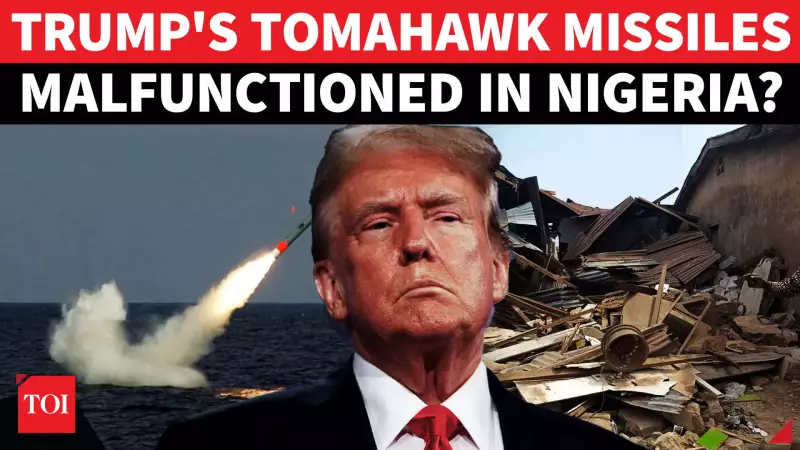
In a dramatic military action on Christmas night, United States warships launched a cruise missile strike into northern Nigeria. The order came directly from US President Donald Trump. However, the operation has quickly become mired in controversy, with emerging reports of missile failures, civilian area damage, and unclear targets challenging the official narrative.
Christmas Night Strikes: Confusion on the Ground
The attack occurred on the night of December 25, 2025. According to initial claims from Washington, the strikes targeted ISIS-linked militants operating in the region and crossing from the Sahel. Nigerian authorities have supported this version, stating the action was coordinated and approved at the highest levels of their government.
Yet, accounts from local witnesses and open-source investigators paint a more chaotic picture. Residents described terrifying explosions that caused panic and confusion. More troubling are consistent reports that several of the fired Tomahawk cruise missiles failed to detonate upon impact. Instead, they left behind unexploded debris and caused damage to homes in the area, raising immediate alarms about the strike's precision and collateral effects.

Reliability and Accuracy Under Scrutiny
The alleged malfunction of multiple Tomahawk missiles has put a spotlight on the reliability of one of America's most famous and expensive weapons systems. Analysts are questioning whether this represents a technical failure or points to other complicating factors during the mission.
Simultaneously, the very accuracy of the intelligence about the targets is now disputed. While U.S. and Nigerian officials insist the strikes hit militant positions, the physical evidence of damage in non-combat areas and the lack of clear militant casualties reported publicly have fueled skepticism. The core question remains: What exactly was hit, and was the intelligence flawed?
Unfolding Truth and Geopolitical Messaging
The incident is a collision of military action, technical performance, and high-stakes political messaging. For the Trump administration, the strike was likely intended as a strong signal against global militant networks. For Nigeria, it represents a sensitive collaboration with a foreign power on its sovereign soil.
However, with disputed targets, confirmed missile malfunctions, and rising local anger, the aftermath is proving difficult to manage. The full truth behind the Christmas night strikes in Nigeria is still coming to light, promising further investigations and potentially significant diplomatic and military repercussions.
The event underscores the complex risks of remote warfare, where claims of success can be swiftly undermined by evidence from the ground, challenging both military credibility and strategic objectives.






