

US Escalates Iran Conflict with Infrastructure Strikes and Troop Buildup
The ongoing conflict in West Asia has entered its 35th day, with the United States and Israel demonstrating advanced technological capabilities through precise military strikes across Iran. In a significant escalation, the US has now targeted civilian infrastructure for the first time, destroying seven key bridges in Iran. This move follows a direct threat from US President Donald Trump, who vowed to obliterate Iran's infrastructure, specifically mentioning bridges and electric power plants.
Strategic Strikes on Critical Infrastructure
The attack on bridges represents a deliberate shift in US strategy, aiming to increase pressure on the Iranian regime by disrupting transportation and logistics networks. President Trump emphasized this approach on social media, stating, "Our Military, the greatest and most powerful anywhere in the World, hasn’t even started destroying what’s left in Iran. Bridges next, then Electric Power Plants!" This targeting of civilian infrastructure is expected to limit Iran's ability to respond cohesively to military actions.
Massive Troop Deployment in West Asia
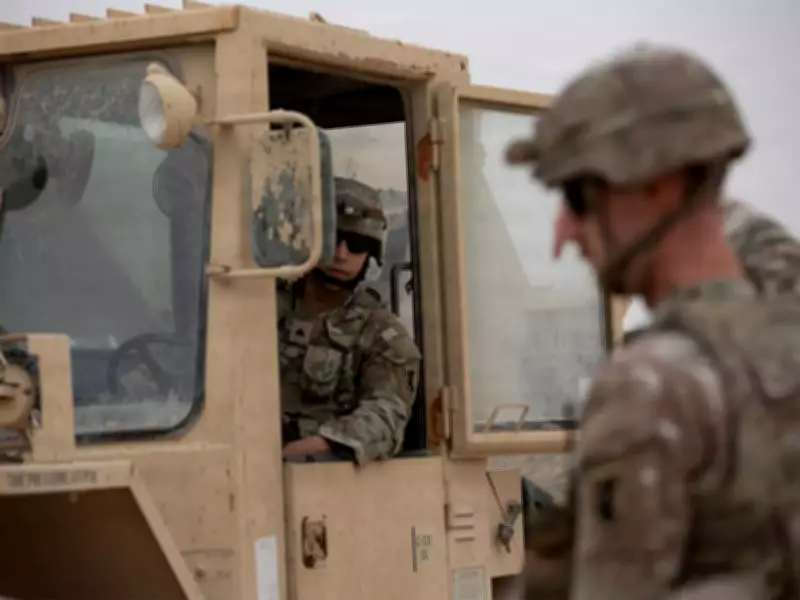
Simultaneously, the United States is significantly increasing its military presence in the region. Over 2,000 paratroopers from the 82nd Airborne Division have been deployed, along with a Marine Expeditionary Unit (MEU) containing approximately 3,500 marines and sailors. Reports indicate another MEU is en route, potentially bringing the total troop increase to 10,000. This ground force buildup marks a stark departure from previous operations that relied more on remote strikes.

Secretary of War Pete Hegseth explained the strategic advantage of this deployment, noting, "You can’t fight and win a war if you tell your adversary what you are willing to do or what you are not willing to do to include boots on the ground. Our adversary right now thinks there are 15 different ways we could come at them with boots on the ground." While insufficient for a full-scale invasion, these troops could execute raids or secure coastal areas and outlying islands.
Iran's Resilient Response and Global Impact
Iran has fought back tenaciously throughout the conflict, targeting neighboring countries, US bases in the region, and Israel. In a major strategic move, Tehran has closed the critical Strait of Hormuz, through which 20% of global oil supply passes. This closure has triggered a worldwide energy crisis, as Iran seeks to exert international pressure on the United States to cease hostilities.
The combination of infrastructure attacks and troop reinforcements suggests the conflict may be entering a new, more intense phase. The US actions are designed to degrade Iranian military capabilities while expanding American operational options in the theater. As both sides escalate their strategies, the situation in West Asia remains volatile, with significant implications for global stability and energy markets.






