

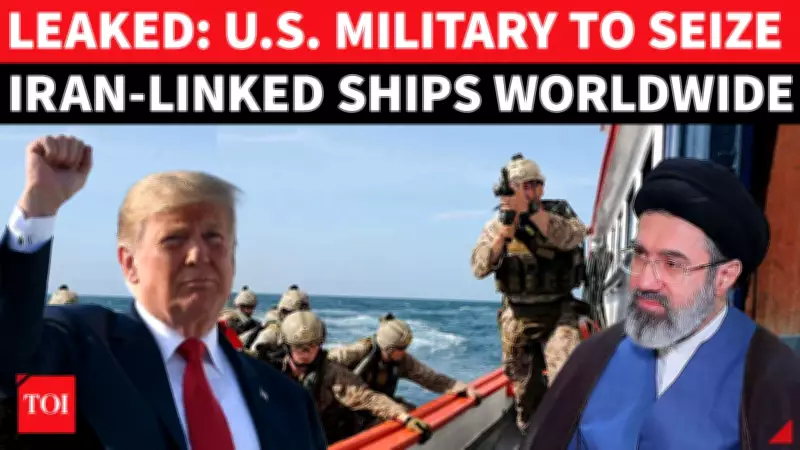
US Military Expands Maritime Strategy to Board Iran-Linked Vessels Globally
In a dramatic escalation of tensions in the Strait of Hormuz, the United States military is reportedly preparing to board and seize commercial vessels linked to Iran, even when operating in international waters far beyond the Middle East region. This aggressive move represents a significant expansion of Washington's maritime enforcement strategy, designed to intensify pressure on Tehran during a period of fragile ceasefire negotiations and heightened regional instability.
Escalating Tensions in Critical Shipping Lane
The strategic Strait of Hormuz, through which approximately one-fifth of the world's oil passes daily, has become a flashpoint for international conflict. Iran has been tightening its control over this vital shipping lane, with multiple incidents involving commercial tankers already reported in recent months. These developments have created an atmosphere of increasing maritime confrontation, with global energy markets watching nervously.
The proposed US military action would mark a substantial departure from previous maritime enforcement approaches, extending Washington's reach beyond traditional regional boundaries. This strategy appears calculated to disrupt Iran's maritime commerce on a global scale, potentially affecting shipping routes and energy security worldwide.

Global Implications and Security Concerns
The situation has triggered widespread international concern about several critical issues:
- Energy security and potential disruptions to global oil supplies
- The stability of major international shipping routes
- The risk of direct military escalation between US and Iranian forces in international waters
- The precedent of boarding commercial vessels in international waters without host nation consent
Maritime security experts warn that this development could fundamentally alter the rules of engagement in international waters, potentially leading to unpredictable consequences for global trade and diplomatic relations. The move comes amid ongoing negotiations between Washington and Tehran, with a ceasefire timeline that remains fragile and uncertain.
Broader Strategic Context
This maritime strategy expansion occurs against a backdrop of increasing regional tensions, with Iran demonstrating enhanced military capabilities and Washington seeking to counter Tehran's influence in the Middle East. The decision to potentially board and seize vessels beyond the immediate Middle East region suggests a more comprehensive approach to maritime pressure than previously employed.
International observers note that such actions could test the boundaries of maritime law and established norms governing international waters. The global shipping industry, already navigating complex geopolitical waters, now faces additional uncertainty about vessel security and freedom of navigation principles.
As the situation continues to evolve, diplomatic channels remain active, though the reported military preparations indicate that Washington is preparing for more assertive maritime enforcement regardless of negotiation outcomes. The coming weeks will likely reveal whether this strategy leads to de-escalation through increased pressure or further heightens the risk of direct confrontation in one of the world's most strategically important waterways.






