

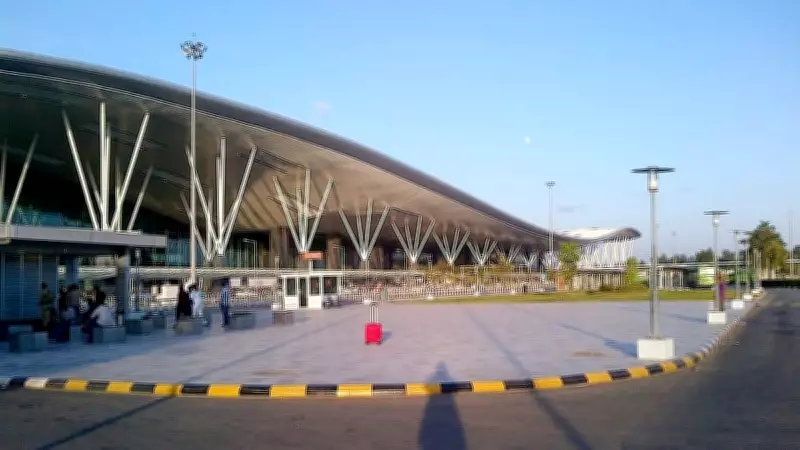
West Asia Conflict Triggers Flight Cancellations at Bengaluru's Kempegowda International Airport
The escalating tensions and conflict in the West Asia region have directly impacted air travel operations at Kempegowda International Airport (KIA) in Bengaluru. Authorities have confirmed the cancellation of seven flights, leading to considerable inconvenience for passengers and highlighting the global ripple effects of regional instability.
Details of the Disruptions
According to official reports from airport sources, the flight cancellations were a direct consequence of the ongoing conflict in West Asia. The affected flights include both international and domestic routes, though specific airline names and destinations have not been publicly disclosed in detail. This sudden disruption has left many travelers stranded, forcing them to seek alternative arrangements or refunds.
Airport officials have stated that the cancellations were implemented as a precautionary measure to ensure passenger safety and comply with international aviation protocols amid the volatile situation. The conflict has led to airspace restrictions and operational challenges, compelling airlines to adjust their schedules abruptly.

Impact on Passengers and Operations
Passengers at KIA have faced significant hardships due to these cancellations. Many reported last-minute notifications, leading to chaos and frustration at the airport. The cancellations have also resulted in logistical issues, such as baggage handling and accommodation for affected travelers.
In response, the airport management has activated contingency plans to assist passengers. This includes setting up help desks, providing information on rebooking options, and coordinating with airlines to minimize further disruptions. However, the situation remains fluid, with authorities monitoring developments in West Asia closely to assess any additional impacts on flight operations.
Broader Implications for Aviation
This incident underscores how geopolitical conflicts can have far-reaching consequences on global aviation. The cancellation of flights at a major hub like KIA reflects the interconnected nature of international air travel, where regional unrest can quickly translate into operational challenges worldwide.
Experts note that such disruptions are not uncommon during conflicts, as airlines prioritize safety and navigate complex airspace regulations. The aviation industry often faces increased costs and scheduling headaches in such scenarios, affecting both carriers and passengers alike.
As the conflict in West Asia continues, travelers are advised to stay updated with their airlines and airport authorities for any further changes. The situation serves as a reminder of the fragility of global travel networks in the face of geopolitical tensions.






