West Asia Descends into Chaos Following Assassination of Iran's Supreme Leader
The volatile landscape of West Asia has been thrust into a state of heightened crisis following a dramatic escalation in hostilities. In a large-scale military operation, coordinated strikes by the United States and Israel resulted in the killing of Iran's Supreme Leader, Ayatollah Ali Khamenei. This pivotal event has sent shockwaves across the region, destabilizing geopolitical dynamics and triggering widespread alarm.
Day Three of Conflict Sees Rapid Escalation and Retaliatory Actions
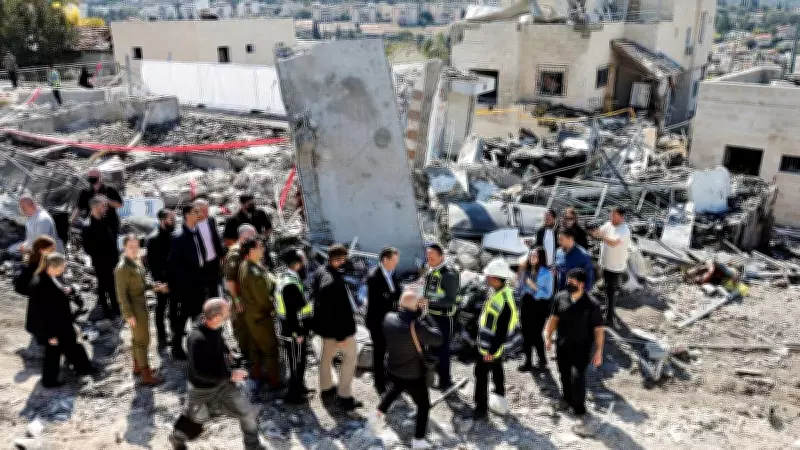
As the conflict entered its third day, the situation intensified significantly. Israel's military launched a broad wave of strikes targeting the heart of Tehran, marking a direct and aggressive move against the Iranian capital. In response, the militant group Hezbollah, a key ally of Iran, joined the fray by launching rockets and drones towards Israeli territory. This retaliatory action underscores the expanding scope of the conflict, drawing in multiple actors and raising fears of a broader regional war.
The assassination of Ayatollah Ali Khamenei represents a critical turning point, as he was a central figure in Iran's political and religious hierarchy. His death in the US-Israel operation has not only created a power vacuum but also inflamed tensions, with Iran and its proxies vowing severe repercussions. The region is now on high alert, with governments and international bodies closely monitoring developments amid concerns over further military engagements and potential humanitarian crises.

This unfolding conflict highlights the fragile security environment in West Asia, where longstanding rivalries and alliances are being tested. The involvement of Hezbollah adds a layer of complexity, as the group's capabilities pose a direct threat to Israeli security. As hostilities continue to widen, the risk of collateral damage and civilian casualties looms large, prompting calls for de-escalation and diplomatic intervention from global stakeholders.