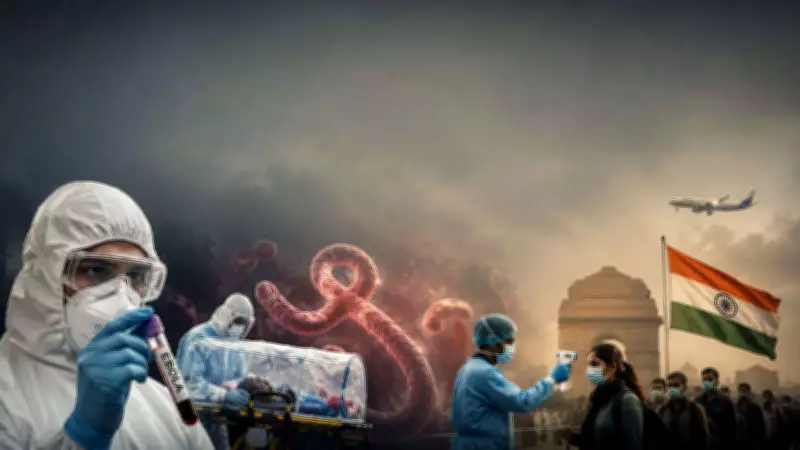
The World Health Organization (WHO) has officially declared the ongoing Ebola outbreak in Central Africa a Public Health Emergency of International Concern (PHEIC) under the International Health Regulations, 2005. This declaration, made on May 17, 2026, follows a significant rise in cases of Ebola Virus Disease in the Democratic Republic of the Congo (DRC) and Uganda.
Global Response and Emergency Declarations
According to India's Ministry of Health and Family Welfare, the Africa Centres for Disease Control and Prevention (Africa CDC) has also classified the outbreak as a Public Health Emergency of Continental Security (PHECS). The current outbreak involves the Bundibugyo strain of the Ebola virus, affecting both the DRC and Uganda. This strain is known to cause severe illness and has a high fatality rate if not managed promptly.
India's Travel Advisory and Preparedness
In response to the evolving health crisis, the Government of India has issued a strong advisory urging citizens to avoid non-essential travel to the Democratic Republic of the Congo, Uganda, and South Sudan until further notice. Indian authorities are closely monitoring the situation, with heightened surveillance at airports and ports to detect any potential cases. The Ministry of Health has also reviewed public health preparedness measures, including the availability of isolation facilities and medical supplies.

International Coordination Efforts
The WHO's emergency declaration aims to strengthen international coordination, surveillance, and response efforts to contain the deadly virus outbreak. Ebola is a severe and often fatal disease that spreads through direct contact with infected bodily fluids and contaminated surfaces. The declaration facilitates increased funding, technical support, and collaboration among member states to prevent cross-border spread.
Current Situation and Risks
The outbreak has raised concerns about cross-border transmission, particularly in neighboring countries with weak healthcare systems. Health authorities are working to trace contacts, isolate cases, and promote safe burial practices. The public is advised to follow official guidelines and stay informed through reliable sources.