

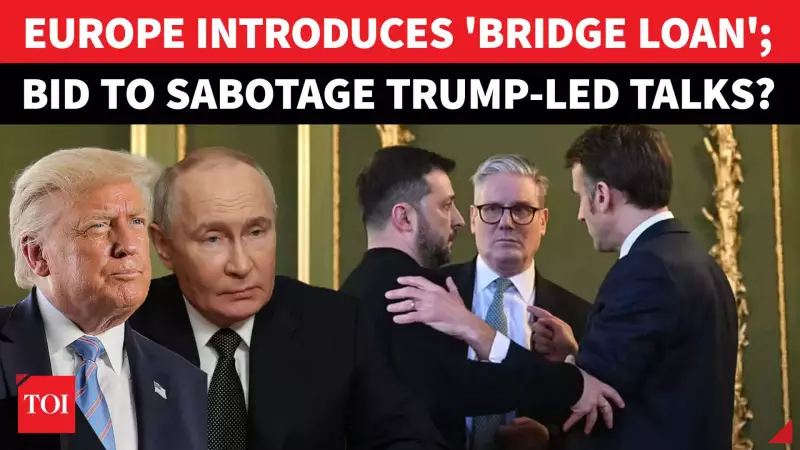
A major political confrontation has broken out within the European Union regarding the controversial proposal to weaponise frozen Russian assets to sustain Ukraine's war-time economy. The debate has exposed deep divisions among member states at a critical juncture in the conflict.
Brussels Pushes for Sweeping Reparations Loan
European Union leadership in Brussels is aggressively advocating for a comprehensive reparations loan package that would utilise the frozen Russian assets. Officials have issued stark warnings that Ukraine could face imminent financial collapse without immediate financial support. The proposal comes as Ukraine's economy struggles under the weight of continued military expenditures and reconstruction costs.
EU Chief Ursula Von der Leyen has taken a firm stance, insisting that Ukraine must not lose any territory or military capability to Russian forces. Her position reflects the broader European commitment to supporting Kyiv's sovereignty and defence capabilities against ongoing aggression.

Belgium Slams Brakes on EU Proposal
Belgium has emerged as a significant obstacle to the plan, refusing to endorse the weaponisation of Russian assets without clear shared legal and financial responsibility from all EU member states. The Belgian position highlights concerns about the precedent such action might set and potential legal repercussions for European nations.
Diplomatic sources indicate that as a temporary measure, officials are exploring a bridge loan arrangement to prevent what they describe as a "funding vacuum" that could cripple Ukraine's ability to continue fighting. This stopgap measure would provide immediate financial relief while the larger debate over the Russian assets continues.
Moscow's Reaction and International Context
The Kremlin has responded with fury to the European discussions, labelling the entire proposal as "theft" and accusing Western powers of attempting to prolong the conflict. Russian officials have threatened retaliatory measures if the EU proceeds with the asset seizure plan.
The internal EU debate occurs against the backdrop of broader international developments, including former US President Donald Trump's claims about significant troop casualties and potential peace negotiations. The situation remains fluid as multiple international actors position themselves for what could be a decisive phase in the Ukraine conflict.
The outcome of this European dispute will have significant implications not only for Ukraine's immediate financial stability but also for the broader geopolitical landscape and the legal precedents governing international asset seizures during conflicts.

