

Europe's Rejection of Militant Nationalism Intensifies After Orbán's Defeat
The political landscape of Europe has witnessed a significant shift with the spectacular election defeat of Hungary's longtime strongman, Viktor Orbán. This electoral outcome represents just the latest in a series of ballots that clearly demonstrates European publics' growing disenchantment with the Trump-style gospel of militant Christian nationalism that has dominated certain political circles in recent years.
A Watershed Moment in Hungarian Politics
Viktor Orbán, who has served as Hungary's prime minister for multiple terms since 2010, faced a decisive rejection from voters in what political analysts are calling a watershed moment for Central European politics. His brand of nationalist populism, which emphasized Christian values alongside anti-immigration policies and skepticism toward European Union institutions, had made him a controversial figure both domestically and internationally.
The election results reveal a clear pattern emerging across the continent. European voters appear increasingly weary of political movements that champion militant approaches to nationalism, particularly those modeled after former U.S. President Donald Trump's political playbook. This disenchantment manifests in electoral outcomes that favor more moderate or alternative political forces.

The Establishment's Hesitant Response
Despite this growing public rejection, the European establishment – comprising both national governments and the European Union itself – finds itself at a crossroads. Political observers note that while Orbán's defeat signals a clear shift in public sentiment, the institutional response remains cautious and measured.
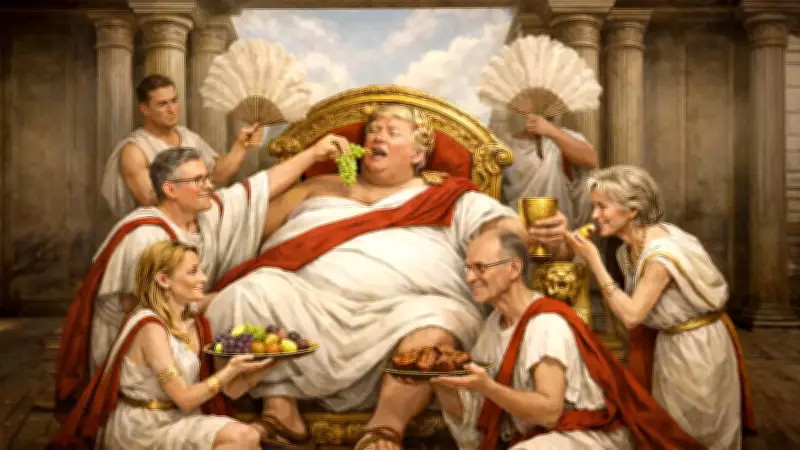
The European political class appears reluctant to completely abandon what some have termed "the mad, uncrowned king" of this political movement. This hesitation stems from multiple factors, including the continued influence of nationalist parties in other European countries, concerns about political stability in the region, and the complex geopolitical considerations that shape EU decision-making.
The Broader European Context
Orbán's defeat must be understood within the broader context of European politics, where similar movements have faced varying degrees of success and resistance. The pattern suggests that while voters may reject the most extreme manifestations of this political ideology, elements of nationalist sentiment continue to influence political discourse across the continent.
The election results in Hungary represent more than just a change in government; they signal a potential turning point in how European societies engage with questions of national identity, religious values, and political extremism. As Europe continues to navigate complex challenges including economic pressures, migration issues, and security concerns, the tension between nationalist impulses and more inclusive political visions will likely remain a defining feature of the continent's political landscape.
What remains uncertain is whether Orbán's defeat will accelerate a broader rejection of militant Christian nationalism across Europe, or whether this political ideology will adapt and persist in modified forms. The coming months will reveal whether European institutions and governments will follow the public's lead in distancing themselves from this political model, or whether they will continue to engage with its proponents despite growing voter skepticism.

