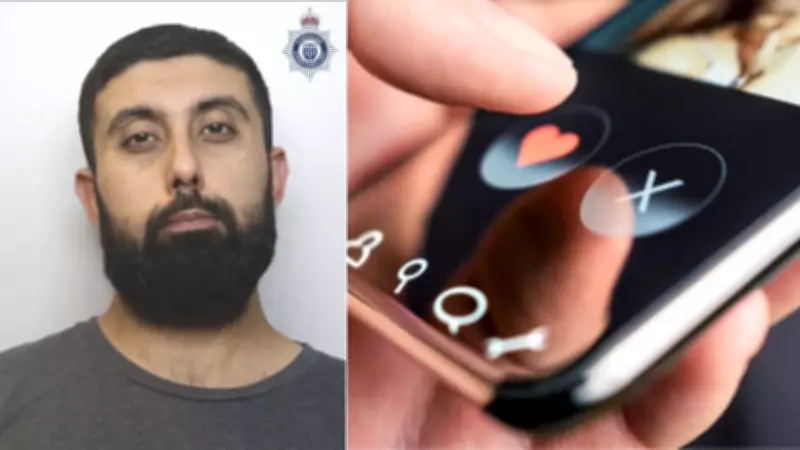
A man in the United Kingdom has been convicted for creating a fake Tinder profile of his ex-girlfriend, in which he invited men to engage in rape fantasies with her. The conviction marks a significant legal action against online harassment and the misuse of dating platforms for malicious purposes.
Details of the case
The defendant, whose identity has not been disclosed due to legal restrictions, set up a fraudulent account on the popular dating app Tinder using his former partner's photographs and personal information. The profile explicitly stated that the woman was interested in violent sexual encounters, including rape fantasies. As a result, the victim received numerous disturbing messages and threats from men who believed the profile was genuine.
The victim reported the incident to the police after she became aware of the fake profile. An investigation led to the identification and arrest of her ex-boyfriend, who admitted to creating the account out of spite following their breakup.

Legal proceedings and verdict
During the trial at a UK court, the prosecution argued that the defendant's actions constituted harassment and caused severe emotional distress to the victim. The jury found him guilty of harassment and malicious communications. The judge stated that the offense was particularly serious due to the explicit sexual nature of the content and the potential for real-world harm.
The defendant has been sentenced to a term of imprisonment, though the exact duration has not been publicly confirmed. He will also be subject to a restraining order prohibiting him from contacting the victim.
Implications for online safety
This case underscores the growing issue of digital impersonation and the misuse of dating apps for harassment. Legal experts note that while laws against online harassment exist, prosecutions can be challenging due to anonymity and jurisdictional issues. However, this conviction serves as a warning that such actions have serious consequences.
Authorities have urged victims of similar crimes to come forward and report incidents. Tinder has stated that it has policies in place to detect and remove fake profiles, but the company relies on user reports to identify malicious accounts.
The victim, who has not been named, expressed relief at the verdict but said she continues to suffer from anxiety and fear as a result of the ordeal. She hopes her case will encourage other victims to seek justice.
This case highlights the importance of robust legal frameworks and public awareness to combat online harassment and protect individuals from digital abuse.