

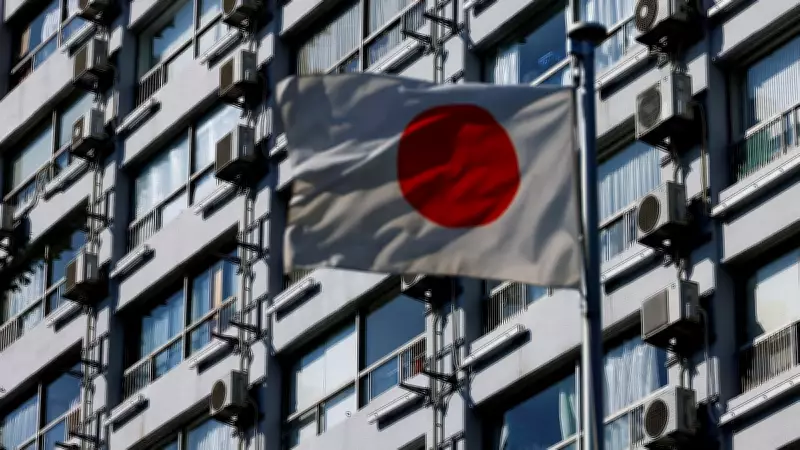
Asian Economies Grapple with Uncertainty Over Fresh Trump Tariff Moves
A recent court ruling has sent shockwaves through Asian economies, as it invalidated a series of tariffs imposed by the Trump administration on major export powerhouses in the region. The decision, which affects countries from China and South Korea to Japan and Taiwan, has introduced significant confusion and uncertainty into global trade dynamics, particularly for technology supply chains.
Court Ruling Overturns Key Tariffs on Asian Export Giants
The court's ruling specifically targeted tariffs that were implemented during Donald Trump's presidency, impacting some of the world's most critical economic players. China, a global manufacturing hub, and South Korea, known for its electronics and automotive exports, are among the nations directly affected. Additionally, Japan and Taiwan, with Taiwan being the world's largest chip maker and a pivotal component in tech supply chains, face renewed scrutiny as these tariffs are rolled back.
This development comes at a time when Asian economies are already navigating complex geopolitical tensions and post-pandemic recovery efforts. The invalidation of these tariffs could potentially ease trade barriers, but it also raises questions about future policy directions and economic stability in the region.

Implications for Global Tech Supply Chains and Regional Economies
The ruling has profound implications for global technology supply chains, which rely heavily on exports from these Asian nations. Taiwan's semiconductor industry, in particular, is a cornerstone of the tech world, supplying chips to companies worldwide. Any disruption or change in tariff policies can have cascading effects on production costs, consumer prices, and innovation timelines.
Economists and trade experts are now weighing the potential impacts:
- Short-term confusion in markets as businesses adjust to the new legal landscape.
- Potential relief for exporters who faced higher costs under the Trump tariffs.
- Uncertainty over future U.S. trade policies, especially with ongoing political shifts.
- Opportunities for increased trade flows between Asia and other regions if barriers are reduced.
As Asian economies assess these developments, stakeholders from government officials to corporate leaders are closely monitoring the situation. The ruling underscores the interconnected nature of global trade and the delicate balance required to maintain economic growth amidst changing political climates.
With the tariff moves now in flux, the focus shifts to how these nations will adapt their strategies to capitalize on potential opportunities or mitigate risks. The outcome could shape trade relations and economic performance in Asia for years to come, making this a critical moment for regional and global markets alike.






